Recall: Wrongful Act
- แค่ Section 420 เดียว ก็อธิบาย Lecture นี้หมดแล้ว!
- A person who willfully or negligently, unlawfully injures another person is said to commit a wrongful act → make compensation
Question
Juristic acts กับ Juristic cause ต่างกันยังไง?
Juristic act คือนิติกรรม มาตรา 149 (lawfully involuntary act), Juristic cause นิติเหตุ เป้นคำอธิบายของการละเมิด ไม่ตรงกับนิติกรรมเลย (unlawfully, ไม่สมัครใจ) → ทำให้เกิด juristic relation (สัญญาระหว่างกฎหมาย) เหมือนกัน แต่เป็นโดยนิติกรรม
กฎหมายบอกว่าอีก่ายทำผิด แต่ให้มัน relation กันเฉย
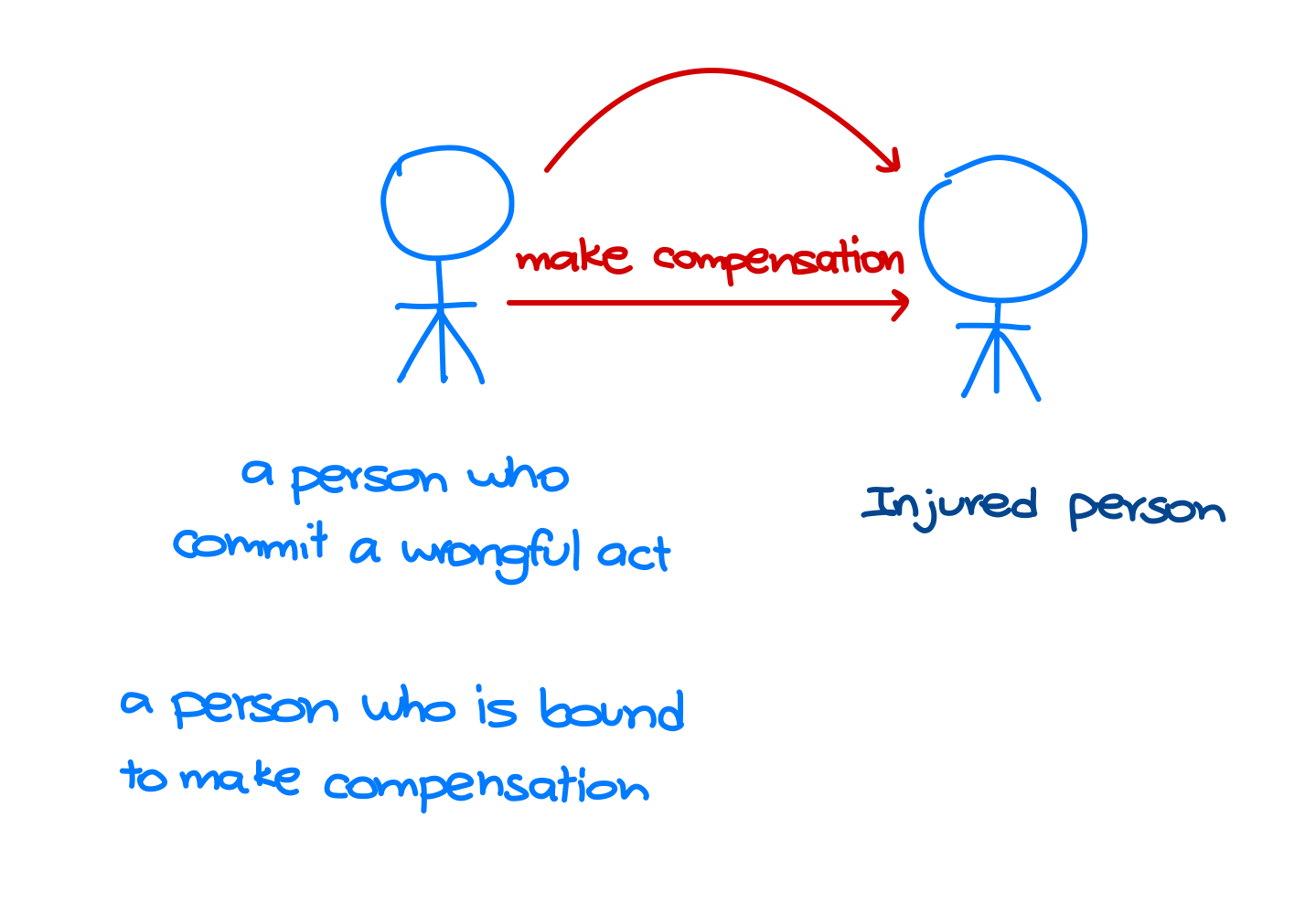
- ==The injured person has the right to claim compensation==
- Parties Involved (Could be Natural or Legal Persons):
- Offender.
- Injured Party
Regarding juristic relations, particularly in cases of wrongful acts caused by a juristic cause.
Two Types of Intention
- A person actively decides the consequences of their actions.
- A person possesses the capacity to foresee the potential effects of their actions.
Wrongful Act: Components
According to Section 420 of the Civil and Commercial Law Code of Thailand,
- Intentional or Negligent Action:
- A person willfully or negligently commits an act → Negligent mentioned in Section 59 (Criminal Code)
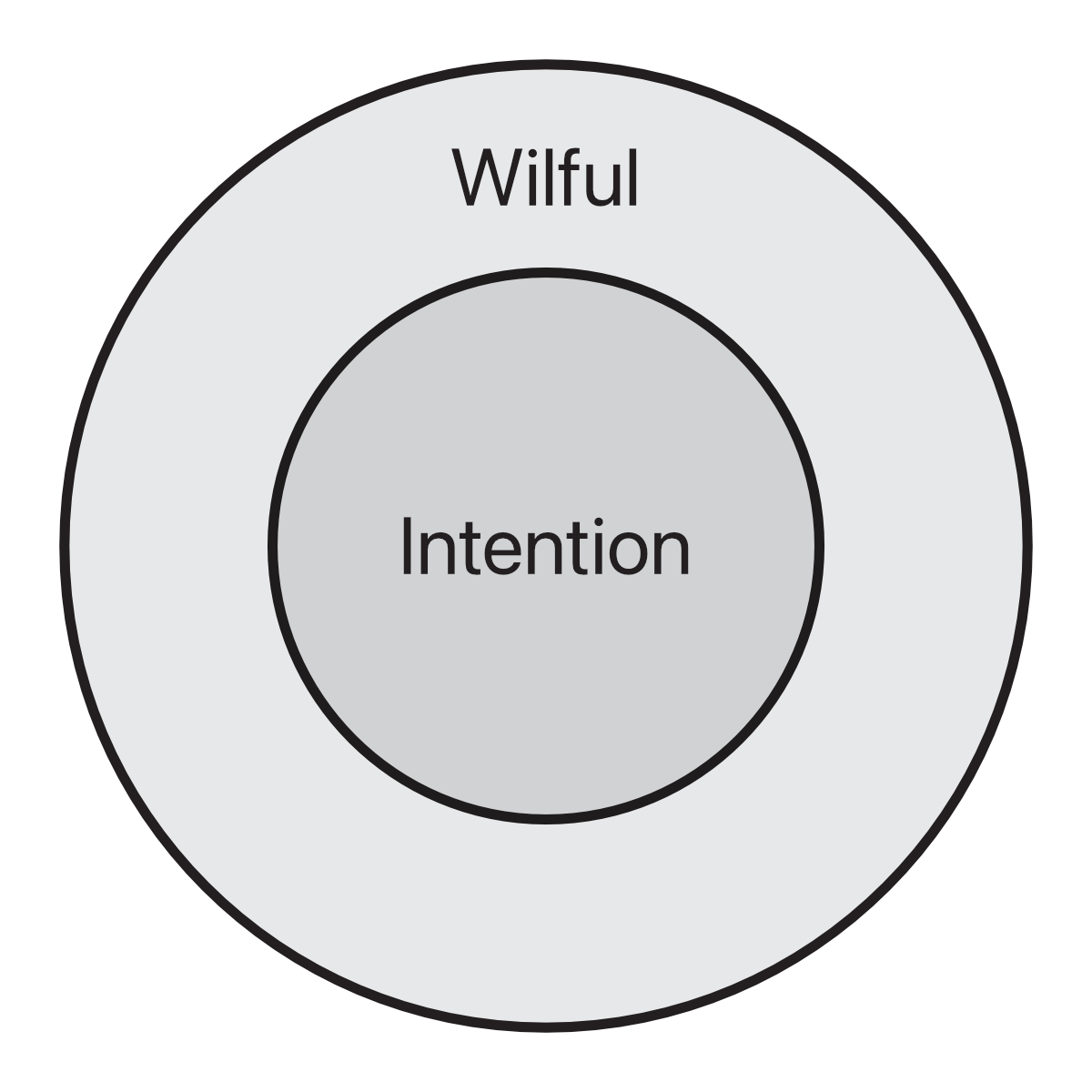
- A person willfully or negligently commits an act → Negligent mentioned in Section 59 (Criminal Code)
- Unlawful Harm:
- Another person is unlawfully harmed.
- ต้องโดนจริง ๆ ไม่ใช่ว่าพยายามจะทำแล้วพลาดมันไม่เกิด ก็ถือว่า Harm ไม่เกิด
- Injury to Another person either to these
- Harm may extend to different aspects such as
- life
- body
- health
- liberty
- property
- or any other right.
- Harm may extend to different aspects such as
- Causation of Damage:
- The resulting damage is a direct consequence of the wrongful act committed.
- The wrongful act is a cause of the injury.
- ถ้าผู้ร้ายเข้ามาในห้อง Server แล้ว ยังไม่ได้ทำอะไรแต่ Server มันปิดเองเพราะอาจจะไฟฟ้าลัดวงจรหรออะไร จะถือว่าไม่ Causastion??
Law of Tort
- refers to the law regarding wrongful acts committed by a person and its consequences
- which result in an obligation that the person who commits such act has to compensate for the damaged caused to an injured person by the person committed such act.
- A wrongful act is considered a juristic cause which is different to a juristic act.
- However, they both result in some kind of juristic relations (but liabilities are discussed differently)
Torts & Our Society:
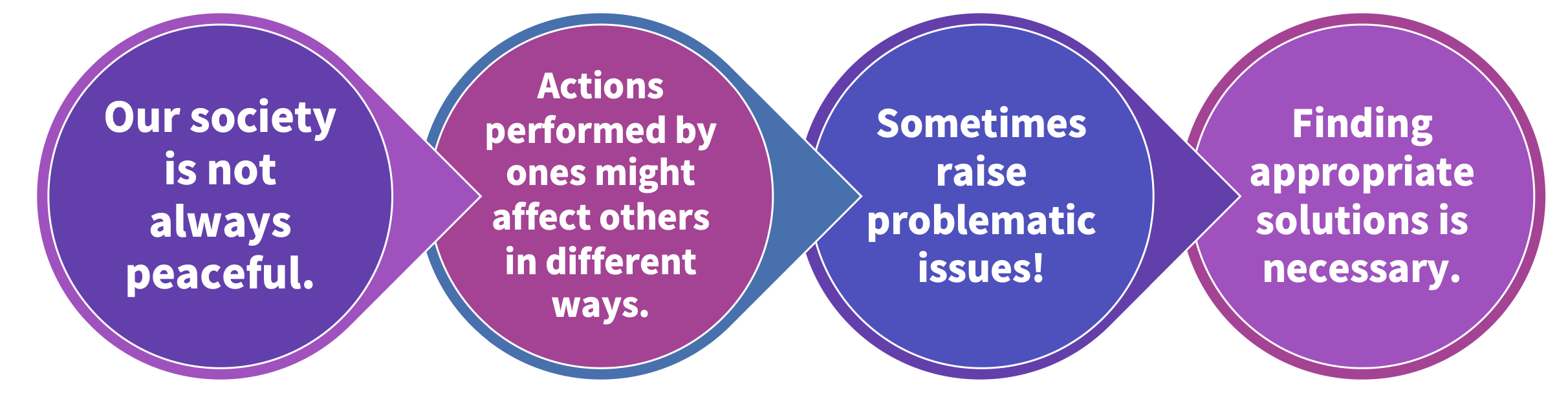
- Given that we live in a society:
- Dynamic Social Environment:
- Our society is not always characterized by peace.
- Interactions and Potential Harm:
- Direct and indirect interactions among individuals may result in harm to others.
- Regulations for Social Order:
- Every society implements regulations to govern its members.
- Wrongful Acts and Compensation:
- Violation of these regulations constitutes a wrongful act, necessitating compensation under tort law.
- Diverse Impact of Actions:
- Actions performed by individuals can affect others in various ways.
- Complex Societal Issues:
- These impacts sometimes give rise to problematic and intricate societal issues.
- Dynamic Social Environment:
Compensation
- ถ้ามีการฟ้องร้องกัน ศาลจะตัดสิน Conpensation
- In accordance with Thai law, compensation can be categorized into 3 types:
- Restitution of Property (คืนทรัพย์): This involves returning the property wrongfully taken from the injured party.
- ถ้ามีคนขโมย MacBook. เจ้าของ MacBook ก็คือ Injured person— The return of MacBook ถึงจะเป็นการ Cure หรือ Compensation
- Restitution of Property Value (ใช้ราคา): This pertains to compensating the injured party for the monetary value of the property wrongfully taken from them.
- Another person break your computer, your computer is broken, returning of broken computer is not a compensation, ต้องประเมินจาก Value ของ property
- Damages for Injury (ค่าเสียหาย): Compensation may also be granted for any harm or injury caused, providing restitution for the adverse consequences suffered by the injured party.
- อันนี้ให้ Court ตัดสินว่าควรเยียวยาอย่างไร เป็นเงิน หรืออะไร in order to cure the injured party— อย่างไปทำหมิ่นประมาท อะไรเป็นต้น
- แต่การตัดสินที่ดีที่สุดก็คือ ต้องจ่ายอยู่ดี แต่มันไม่ใช่ราคาของทรัพย์ไง มันมีทรัพย์อะไรให้ประเมินที่ไหนเล่า เป็นค่าสินไหมทดแทน ที่ศาลตัดสิน!
- Restitution of Property (คืนทรัพย์): This involves returning the property wrongfully taken from the injured party.
Relationship between Torts & Crimes
- อ่ออออ เวลาถ้า Injure life เช่น Murder มันก็อาจจะไปอยู่ใน Criminal Code อื่น— แล้วทำไม Section 420 แล้วมี Share characteristics กับ Crimes?
According to Thai Law, the law of tort is defined in the civil and commercial law code. ⭐️
- Criminal offences have characteristics of being a wrongful act
- Most of the time, Including the offences as in the Thai Computer-related Crime Act.
- However, tort and criminal law scrutinize distinct aspects of the actions leading to liable offenses.
Thai Tort vs. Criminal Law: The Comparison
| Aspect | Tort Law | Criminal Law |
|---|---|---|
| Objective | Compensation for damage caused to the injured party. | Punishment is the principal objective; compensation may be secondary. (Protect the peace and safety of the society) |
| Application of Law | Follows the letter or spirit of provisions; if not applicable, decided based on local custom, analogy, or general principles of law (according to the civil and commercial law code). | Strictly follow the law which come within the letter (written in the code) |
| Termination of Liability | Does not terminate with the death of the offender; heirs remain liable for compensation. (ลูกหลานยังต้องชดใช้ต่อ) | Terminates with the death of the offender. (ตาย) |
| Liability of Co-offenders | Liability of co-offenders terminates with the death of the offender. | Principals, instigators, and supporters have varying degrees of punishment. Joint liability for compensation among co-offenders. |
Note
It's important to note that certain actions may lead to a tort offense without constituting a criminal offense, and conversely, some acts might be a criminal offense without giving rise to a tort.
Example: ต้องมี Intention ของ theft สมมติว่าขโมยของอะนะ— แต่ถ้าทำโดย Negligent (สมมติว่าไปเดินใน Supermarket แล้วมีป้ายปรับขโมยของ 10 เท่า แต่เราถือเดินออกมาไม่ได้ตั้งใจ…? ถามครู)
แต่ถ้าในตัวอย่างที่ 2— เช่นขับรถเร็วเกิด Speed limit จะเป็น Criminal offense เลย ไม่ถือว่าเป็น Tort law (แล้วถ้าสมมติว่าหน้าปัดไมล์มันพังแล้วเราไม่ได้ตั้งใจล่ะ?) ต้องดูความจริงอย่างเดียว แต่มันก็ถือว่าไม่เป็น Tort เพราะว่าไม่ได้เกิดความเสียหายให้ใครหรือว่าอะไร
Committing an Act Unlawfully (illegal)
- In accordance with Section 420 of the civil and commercial law code of Thailand, committing an act unlawfully encompasses the following cases:
- The law states clearly that the act committed is an offense
- The individual has no legal right to perform the act or lacks legal support for doing so.
- Not committing an act as required by law.
- ต้องทำแต่ไม่ทำ เช่นแม่ให้นม Baby ใน Section 59
- Exercising a right unlawfully, resulting in injury to another person.
Civil Liability for a Wrongful Act
- Liability for a wrongful act takes the form of compensation.
- In specific instances, an individual may be held accountable for a wrongful act committed by
- themselves (Section 420),
- another person,
- or a thing.
- A person liable for a wrongful act can be either a natural person or a juristic person.
Wrongful Act Committed by an Employee
The Civil and Commercial Law Code of Thailand #LawCode
Section 425: An employer is jointly liable with his employee for the consequences of a wrongful act committed by such employee in the course of his employment.
มาตรา 425: นายจ้างต้องร่วมกันรับผิดกับลูกจ้างในผลแห่งละเมิด ซึ่งลูกจ้างได้กระทำไปในทางการที่จ้างนั้น
The Civil and Commercial Law Code of Thailand #LawCode
Section 426: An employer who has made compensation to a third person for a wrongful act committed by his employee is entitled to reimbursement from such employee.
มาตรา 426: นายจ้างซึ่งได้ใช้ค่าสินไหมทดแทนให้แก่บุคคลภายนอกเพื่อละเมิดอันลูกจ้างได้ทำนั้น ชอบที่จะได้ชดใช้จากลูกจ้างนั้น
Wrongful Act Committed by an Incapacitated Person
The Civil and Commercial Law Code of Thailand #LawCode
Section 429: A person, even though incapacitated due to minority or unsoundness of mind, is liable for the consequences of his wrongful act.
- The parents of such person are, or his guardian is, jointly liable with him, unless they or he can prove that proper care in performing their or his duty of supervision has been exercised.
มาตรา 429: บุคคลใดแม้ไร้ความสามารถเพราะเหตุเป็นผู้เยาว์หรือวิกลจริตก็ยังต้องรับผิดในผลที่ตนทำละเมิด บิดามารดาหรือผู้อนุบาลของบุคคลเช่นว่านี้ย่อมต้องรับผิดร่วมกับเขาด้วย เว้นแต่จะพิสูจน์ได้ว่าตนได้ใช้ความระมัดระวังตามสมควรแก่หน้าที่ดูแลซึ่งทำอยู่นั้น
Wrongful Act Caused by an Animal
- Animal ในที่นี้หมายถึง Pet นะ จะไม่ถึง Wild animal เช่น หมาเราไปกัดคนอื่นอะไรงี้
The Civil and Commercial Law Code of Thailand #LawCode
Section 433: (Paragraph 1) If damage is caused by an animal, the owner, or the person, who undertakes to keep the animal on behalf of the owner, is bound to compensate the injured party for any damage arising therefrom, unless he can prove that he has exercised proper care in keeping it according to its species and nature or other circumstances, or that the damage would have been occasioned notwithstanding the exercise of such care.
มาตรา 433: (วรรค 1) ถ้าความเสียหายเกิดขึ้นเพราะสัตว์ ท่านว่าเจ้าของสัตว์หรือบุคคลผู้รับเลี้ยงรับรักษาไว้แทนเจ้าของจำต้องใช้ค่าสินไหมทดแทนให้แก่ฝ่ายที่ต้องเสียหายเพื่อความเสียหายอย่างใด ๆ อันเกิดแต่สัตว์นั้น เว้นแต่จะพิสูจน์ได้ว่าตนได้ใช้ความระมัดระวังอันสมควรแก่การเลี้ยงการรักษาตามชนิดและวิสัยของสัตว์ หรือตามพฤติการณ์อย่างอื่น หรือพิสูจน์ได้ว่าความเสียหายนั้นย่อมจะต้องเกิดมีขึ้นทั้งที่ได้ใช้ความระมัดระวังถึงเพียงนั้น
Prescription (Statute of Limitation)
The Civil and Commercial Law Code of Thailand #LawCode
Section 448: (Paragraph 1) The claim for damages arising from a wrongful act is barred by prescription after one year from the day when the wrongful act and person bound to make compensation become known to the injured person, or ten years from the day when the wrongful act was committed.
(Paragraph 2) However if the damages are claimed on account of an act punishable under the criminal law for which a longer prescription is provided such longer prescription shall be applied.
มาตรา 448: (วรรค 1) สิทธิเรียกร้องค่าเสียหายอันเกิดแต่มูลละเมิดนั้น ท่านว่าขาดอายุความเมื่อพ้นปีหนึ่งนับแต่วันที่ผู้ต้องเสียหายรู้ถึงการละเมิดและรู้ตัวผู้จะพึงต้องใช้ค่าสินไหมทดแทน หรือเมื่อพ้นสิบปีนับแต่วันทำละเมิด
(วรรค 2) แต่ถ้าเรียกร้องค่าเสียหายในมูลอันเป็นความผิดมีโทษตามกฎหมายลักษณะอาญา และมีกำหนดอายุความทางอาญายาวกว่าที่กล่าวมานั้นไซร้ ท่านให้เอาอายุความที่ยาวกว่านั้นมาบังคับ
The claim for damages arising from a wrongful act is barred by prescription
| Duration | |
|---|---|
| After 1 year | - from the day when the injured person knows - the wrongful act - person bound to make compensation |
| After 10 years | from the day when the wrongful act was committed |
Some topic H1
Torts and Electronic Contracts:
- Nature of Tort Liability:
- Tort is about a civil liability.
- Contractual Lawsuit Scope:
- Filing a lawsuit for a tort in contracting is not confined to contractual terms; it extends to cover a broader scope of damage.
- Electronic Contracting Practices:
- In electronic contracting, sellers or providers often use disclaimer clauses to limit their liability to the user.
- Application of Tort in Electronic Contracts:
- If a user wishes to sue the seller or provider for a specific liability outlined in the contract, tort law becomes applicable. This allows the user to claim damages excluded from liability as intended by the responsible party.
Willful Torts: Technological Aspect
- Malfunction in the program controlling radiation therapy leads to excess radiation, causing harm to patient tissues. (Health)
- Bugs in medical diagnosis machine programming result in false diagnoses, impacting subsequent treatments.
- Online defamation, such as social media posts, emails, or webboard chats. (False information, bad reputation about another person)
- Cyberstalking, trolling, harassment, etc.
Negligent Torts: Technological Aspect
- Give false information online by mistake.
- A self-driving car's program fails to respond to a risky situation due to insufficient training data during software development, resulting in an accident.
Special Topics
Consumer Protection
Importance of Consumer Protection in E-commerce:
- E-commerce is complex
- Consumer is put in a quite unique position where before a customer can make a purchase:
- Never meet a retailer
- Cannot visit the physical store
- Unable to inspect or sample the goods.
- The distinct position of consumers necessitates the establishment of robust consumer rights in distance contracts.
Consumer Protection Law in Thailand:
- Constitution of the Kingdom of Thailand stated that “The rights of a consumer shall be protected.”
- Subsequent amendments have been made to the Thai Consumer Protection Act.
- Thai Consumer Protection Act B.E. 2522 (1979)
- The Act Amending Thai Consumer Protection Act (No.2) B.E. 2541 (1998)
- The Act Amending Thai Consumer Protection Act (No.3) B.E. 2552 (2009)
- The Act Amending Thai Consumer Protection Act (No. 4) B.E. 2562 (2019)
- There are 5 consumer protection rights defined under the Thai Consumer Protection Act.
Thai Consumer Protection Act #LawCode
Section 4: A consumer has the rights to be afforded the following protection:
- the right to information including correct and adequate description of quality as to the goods or services;
- the right to enjoy freedom in the selection of goods or services;
- the right to be afforded safety in the use of goods or services;
3(bis). the right to fairness in concluding contracts;
- the right to have injury considered and compensated for; provided that all this shall be as provided by the law on particular matters or by this Act.
มาตรา 4: ผู้บริโภคมีสิทธิได้รับความคุ้มครองดังต่อไปนี้
(๑) สิทธิที่จะได้รับข่าวสารรวมทั้งคําพรรณาคุณภาพที่ถูกต้องและเพียงพอเกี่ยวกับสินค้าหรือบริการ
(๒) สิทธิที่จะมีอิสระในการเลือกหาสินค้าหรือบริการ
(๓) สิทธิที่จะได้รับความปลอดภัยจากการใช้สินค้าหรือบริการ
(๓ ทวิ) สิทธิที่จะได้รับความเป็นธรรมในการทําสัญญา
(๔) สิทธิที่จะได้รับการพิจารณาและชดเชยความเสียหาย
ทั้งนี้ ตามที่กฎหมายว่าด้วยการนั้น ๆ หรือพระราชบัญญัตินี้บัญญัติไว้
Defamation
- Defamation under the Criminal Law Code of Thailand:
In front of a third person
The Criminal Law Code of Thailand #LawCode
Section 326: Whoever falsely accuses the other person before a third person in a manner likely to impair the reputation of such other person or to expose such other person to be hated or scorned, is said to commit defamation, he shall be punished with imprisonment not exceeding one year or fined not exceeding twenty thousand Baht, or both.
มาตรา 326: ผู้ใดใส่ความผู้อื่นต่อบุคคลที่สาม โดยประการที่น่าจะทำให้ผู้อื่นนั้นเสียชื่อเสียง ถูกดูหมิ่น หรือถูกเกลียดชัง ผู้นั้นกระทำความผิดฐานหมิ่นประมาท ต้องระวางโทษจำคุกไม่เกินหนึ่งปี หรือปรับไม่เกินสองหมื่นบาท หรือทั้งจำทั้งปรับ
- the offender shall be punished with imprisonment not exceeding one year or fined not exceeding twenty thousand Baht, or both.
- #Vocab Before a third person = In front of a third person
By Publication
The Criminal Law Code of Thailand #LawCode
Section 328: If the offence of defamation is committed by means of publication of a document, drawing, painting, cinematography film, picture or letters made visible by any means, gramophone record or other recording instruments, recording picture or letters, or by broadcasting or spreading picture, or by propagation with any other means, the offender shall be punished with imprisonment not exceeding two years and fined not exceeding two hundred thousand Baht.
มาตรา 328: ถ้าความผิดฐานหมิ่นประมาทได้กระทำโดยการโฆษณาด้วยเอกสาร ภาพวาด ภาพระบายสี ภาพยนตร์ ภาพหรือตัวอักษรที่ทำให้ปรากฏไม่ว่าด้วยวิธีใด ๆ แผ่นเสียง หรือสิ่งบันทึกเสียง บันทึกภาพ หรือบันทึกอักษร กระทำโดยการกระจายเสียง หรือการกระจายภาพ หรือโดยกระทำการป่าวประกาศด้วยวิธีอื่น ผู้กระทำต้องระวางโทษจำคุกไม่เกินสองปี และปรับไม่เกินสองแสนบาท
Recall:
- อันนี้หมายถึง Sub-section 1 มันบอกว่าไม่เป็น Criminal Code
- ถ้าหมิ่นประมาทจะไม่ผิด Thai Computer-related crime แต่จะผิด Criminal Code
- นำบิดเบือนเข้าสู่ระบบ
- เรื่องอื่น ๆ → ผิด พรบ คอม
- หมิ่นประมาท → ผิด อาญา
Lecture 7 - Computer & Cyber Crime (Part I)