- This fallacies may apply to this advertisement

- Amphiboly
- Scare tactics
- Snob apppeal
- Hasty generalization
- When Cherry Computer released its newest laptop, it claimed during the product presentation and on its advertisements that its product was 3 times faster than the competitor's product. In what way is Cherry's statement misleading?
- Comparing products is not ethical.
- The statement was made during the product presentation.
- The claim does not reveal the full details of the comparison, like the specs of the units used.
- The company chose confusing and highly technical terms.
- Person Z wanted to see how the latest space launch went. Person Z thought that reading about it would not give the richest detail regarding the event, so Person Z decided to watch the event on BBC's youtube channel instead of just watching short clips on IG Reels and TikTok. Person Z is showing this ability:
- media literacy
- confirmation bias
- doom loop
- advertising on media
- According to our slides, these are the ways that advertising damages society except:
- rhetorical devices
- fallacies
- funding media
- distortion of consumer thinking
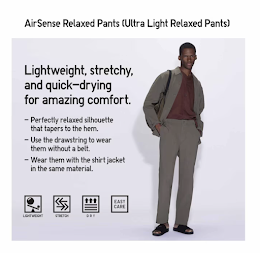
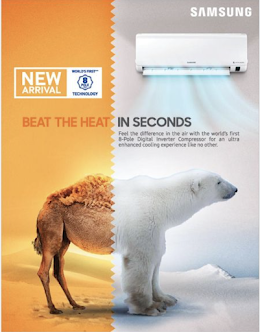
- Which marketing campaign material features messaging that says very little about the product?
- Nike

- Toyota Camry

- Uniqlo
- Samsung AC
- Nike
- Other than using celebrities in this marketing campaign, what tactic is used in advertising the scent, Gucci Guilty Black?
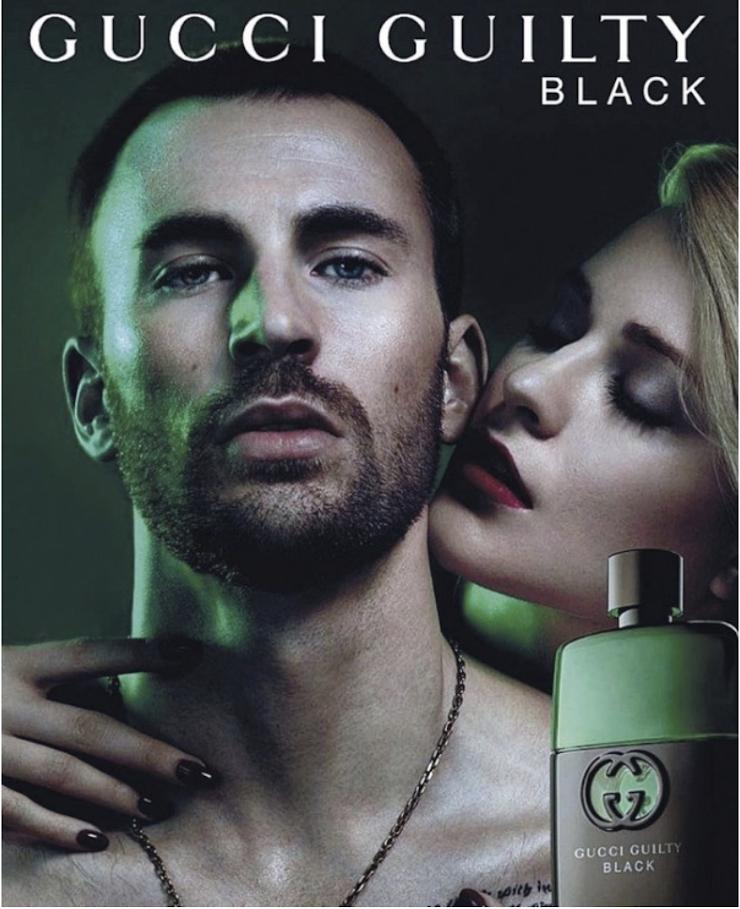
- Amphiboly
- Misleading language
- Technical terms
- Questionable cause
- What is the most likely result when marketing is done properly?
- Competitors go away
- Customers buy what they do not need
- Businesses pay taxes
- Businesses and consumers get what they want
- A group of 6 first-year SIIT students who studied LAS101 in the previous semester are considering starting their own small business, offering tutorials to other students. Which of these is most likely the group's weakness?
- LAS101 lecture notes they made and worksheets they answered
- Advise from their old LAS101 instructors
- Tutorial centers close to the campus
- Full-time daily service
- It is the placement of announcements and persuasive messages in time or space purchased in mass media.
- Advertisement
- Profit
- Research
- SWOT analysis
- What fallacy is most likely used in this marketing campaign material?
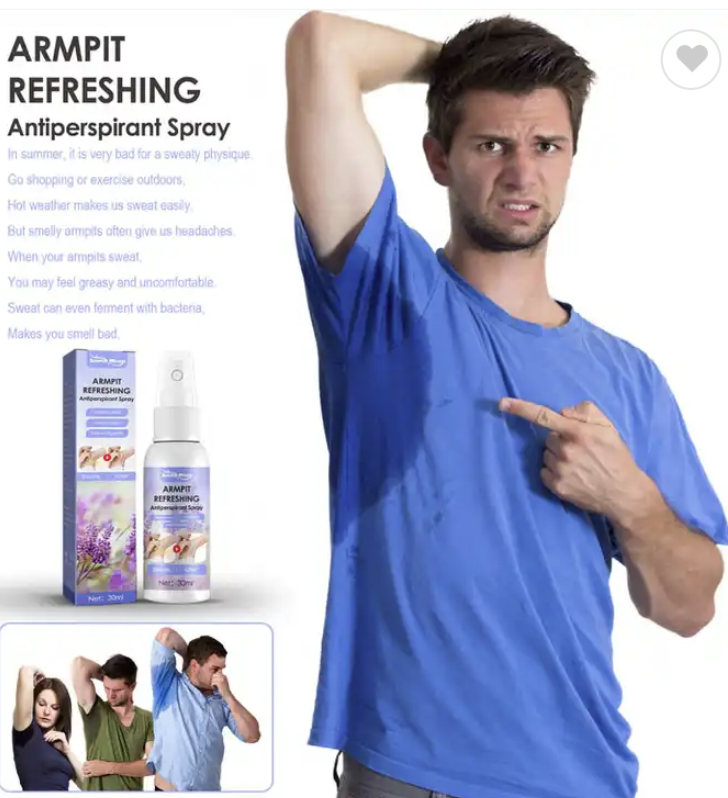
- One of Us
- Scare tactic
- Snob appeal
- Amphiboly
- From the SWOT analysis, a small business saw that they did not have money to advertise their services and decided to spend their time, effort, and resources on social media campaigns instead in order to achieve their sales target. The small business' actions are an example of:
- Strategic planning
- Confirmation bias
- Doom loop
- Marketing surveys
- A group of 6 first-year SIIT students who studied TU104 in the previous semester are considering starting their own small business, offering tutorials to other students. Which of these is most likely the group's opportunity?*
- TU104 lecture notes they made and worksheets they answered
- Advise from their old TU104 instructors
- Tutorial centers close to the campus
- Full-time daily service
- It is the money left after all expenses are paid.
- [ ] Weakness
- [ ] Threat
- [ ] Profit
- [ ] Doom loop - Mega Eyes developed contact lenses that would also glow in the dark. They planned to sell it to university students thinking that it would be popular. However, it only managed to gain 15% of its target sale after 2 years. As a result, Mega Eyes decided to pay for boosting of their contents on social media. When that did not work, they decided to increase their marketing budget and sponsor events. That still failed, and so now they are considering hiring expensive celebrities as endorsers. This is an example of:
- Us/Them fallacy
- Hot buttons
- Marketing research
- Escalation of committment
- A group of 6 first-year SIIT students who studied TU104 in the previous semester are considering starting their own small business, offering tutorials to other students. Which of these is most likely the group's threat?
- TU104 lecture notes they made and worksheets they answered
- Advise from their old TU104 instructors
- Tutorial centers close to the campus
- Full-time daily service
- Which of these is not one of the common approaches used by marketers in doing market research:
- observation
- escalation of commitment
- experimentation
- surveys
- Based on the attached table, which strategy exemplifies using strengths to counteract threats?
| Strengths | Weaknesses | Opportunities | Threats |
|---|---|---|---|
| - Location of facilities - Unique selling points - Large customer base - Commitment/productivity | - Outdated facility/equipment - Insufficient information - Debts or limited financial | - New markets - Competitor's vulnerabilities - Industry or lifestyle trends | - Competitors - Restrictive legal regulations - Global warming |
- Launching a campaign highlighting the unique selling points to correct insufficient information.
- Increasing productivity to capitalize the competitors vulnerabilities.
- Using the large customer base to protest against restrictive legal regulations.
- Reducing the company debt to make the company more financially viable than the competitors.
- It is a method by which an organization deploys its resources to realize a goal.
- Stakeholder Analysis
- Marketing
- SWOT Analyis
- Strategic Planning
- Based on the attached table, Company B decided that it should upgrade the outdated facility that will be considered non-compliant when new rules and regulations will take effect in three years. Which TOWS strategy did Company B apply here?
| Strengths | Weaknesses | Opportunities | Threats |
|---|---|---|---|
| - Location of facilities - Unique selling points - Large customer base - Commitment/productivity | - Outdated facility/equipment - Insufficient information - Debts or limited financial | - New markets - Competitor's vulnerabilities - Industry or lifestyle trends | - Competitors - Restrictive legal regulations - Global warming |
- SO strategy
- WO strategy
- ST strategy
- WT strategy
- Which of these is not mentioned as one of the purposes of advertising?
- Informing customers about the product
- Proposing questionable causes
- Product awareness
- Driving customer loyalty
Answers with Explanations
-
This fallacies may apply to this advertisement
- Cannot determine without seeing the image
- Explanation of choices:
- Amphiboly: Confusing language that makes you uncertain about the claim (e.g., "33% more nutrition" - more than what?)
- Scare tactics: Using fear or anxiety, playing with insecurities (e.g., Dettol's "Whose hand are you holding?")
- Snob appeal: Association with attractive/popular people or idealism (e.g., luxury brands with celebrities)
- Hasty generalization: Reinforcing stereotypes (e.g., showing athletes for sports products)
-
When Cherry Computer released its newest laptop...
- The claim does not reveal the full details of the comparison, like the specs of the units used.
- Explanation: This is an example of missing information fallacy. The claim "3 times faster" lacks context about what was compared (CPU? RAM? Boot time?), under what conditions, and what competitor product was used.
-
Person Z wanted to see how the latest space launch went...
- media literacy
- Explanation: Person Z demonstrates media literacy by choosing a comprehensive, reliable source (BBC's full coverage) over fragmented short clips on social media. This shows the ability to critically select appropriate media forms to access quality information.
-
According to our slides, these are the ways that advertising damages society except:
- funding media
- Explanation: "Funding media" is listed under "In Defense of Advertising" as an argument FOR advertising, not against it. The lecture states "Advertisement funds media" as a positive aspect. The other three (rhetorical devices, fallacies, distortion of consumer thinking) are all listed as criticisms.
-
Which marketing campaign material features messaging that says very little about the product?
- Nike (most likely)
- Explanation: Based on the lecture's discussion of "Images and Slogans" - "Used to create a feel-good situation without telling us much about the product." Nike is famous for emotional/inspirational messaging like "Just Do It" with minimal product details, focusing on feelings rather than product specifications.
-
Other than using celebrities in this marketing campaign, what tactic is used in advertising the scent, Gucci Guilty Black?
- Questionable cause (most likely)
- Explanation: Perfume advertisements typically use the Fallacy of Questionable Cause - "Creating false expectation that something wonderful will result from using the product" (romance, attractiveness, success). The lecture specifically mentions this tactic with emotional appeals like happiness, success, and popularity.
-
What is the most likely result when marketing is done properly?
- Businesses and consumers get what they want
- Explanation: From the lecture's Marketing Philosophy: "Marketing, if done properly with an attitude of mutual respect, can result in a win-win situation in which both parties are better off. The consumer gets something he or she wants, and the manufacturer and seller gain economically."
-
A group of 6 first-year SIIT students who studied LAS101... Which is most likely the group's weakness?
- Full-time daily service
- Explanation: In SWOT analysis, Weaknesses are internal, harmful factors. As first-year students, they cannot provide full-time daily service due to their class schedules and other commitments. This is an internal limitation that harms their business capability.
-
It is the placement of announcements and persuasive messages in time or space purchased in mass media.
- Advertisement
- Explanation: This is the exact definition of advertising from the lecture notes.
-
What fallacy is most likely used in this marketing campaign material?
- Cannot determine without seeing the image
- Explanation of choices:
- One of Us: Appeals to group identity/solidarity (bandwagon effect)
- Scare tactic: Uses fear or anxiety to persuade
- Snob appeal: Associates product with high status, exclusivity, or attractive people
- Amphiboly: Uses confusing or ambiguous language
- How to decide: Look at whether the ad uses fear, exclusivity/luxury, group belonging, or confusing wording.
-
From the SWOT analysis, a small business saw that they did not have money to advertise...
- Strategic planning
- Explanation: This exemplifies Strategic Planning - "A method by which an organization deploys its resources to realize a goal." They identified their weakness (no advertising budget) and deployed their resources (time, effort) toward an alternative strategy (social media) to achieve their goal (sales target).
-
A group of 6 first-year SIIT students who studied TU104... Which is most likely the group's opportunity?
- Full-time daily service
- Explanation: In SWOT, Opportunities are external, helpful factors. The market need for full-time tutorial services represents an external opportunity they could potentially fulfill (even if they currently can't due to their weakness). It's a gap in the market that exists outside of them.
-
It is the money left after all expenses are paid.
- Profit
- Explanation: Basic business definition of profit.
-
Mega Eyes developed contact lenses that would also glow in the dark...
- Escalation of commitment
- Explanation: This perfectly exemplifies Escalation of Commitment (Loss Aversion) - "When a business continues to pursue an erroneous course of action instead of changing course and cutting its losses." Despite repeated failures, they keep investing more (boosting, events, celebrities) rather than reconsidering if the product itself is flawed.
-
A group of 6 first-year SIIT students who studied TU104... Which is most likely the group's threat?
- Tutorial centers close to the campus
- Explanation: In SWOT, Threats are external, harmful factors. Existing tutorial centers nearby represent external competition that could harm their business. This is a negative reality in their business environment that they cannot control.
-
Which of these is not one of the common approaches used by marketers in doing market research:
- escalation of commitment
- Explanation: The lecture lists research methods as: "Surveys, Interviews, Observation, Experimentation, Focus groups." Escalation of commitment is a cognitive error, not a research method.
-
Based on the attached table, which strategy exemplifies using strengths to counteract threats?
- Using the large customer base to protest against restrictive legal regulations.
- Explanation: This is an ST strategy (Strengths-Threats): "Use Strengths to counteract Threats." Large customer base is a Strength (internal, helpful), and restrictive legal regulations are a Threat (external, harmful). Using the strength to fight the threat is the ST approach.
-
It is a method by which an organization deploys its resources to realize a goal.
- Strategic Planning
- Explanation: This is the exact definition of Strategic Planning from the lecture notes.
-
Company B decided to upgrade the outdated facility that will be non-compliant when new rules take effect...
- WT strategy
- Explanation: This is a WT strategy: "Minimize Weaknesses and avoid Threats." Outdated facility is a Weakness (internal, harmful), and new restrictive legal regulations are a Threat (external, harmful). Upgrading the facility addresses both by eliminating the weakness before the threat materializes.
-
Which of these is not mentioned as one of the purposes of advertising?
- Proposing questionable causes
- Explanation: The lecture lists three purposes of advertising: (1) Create product awareness, (2) Inform consumers about a product, (3) Motivate customer demand/create customer loyalty. "Questionable cause" is a fallacy used in advertising, not a stated purpose.