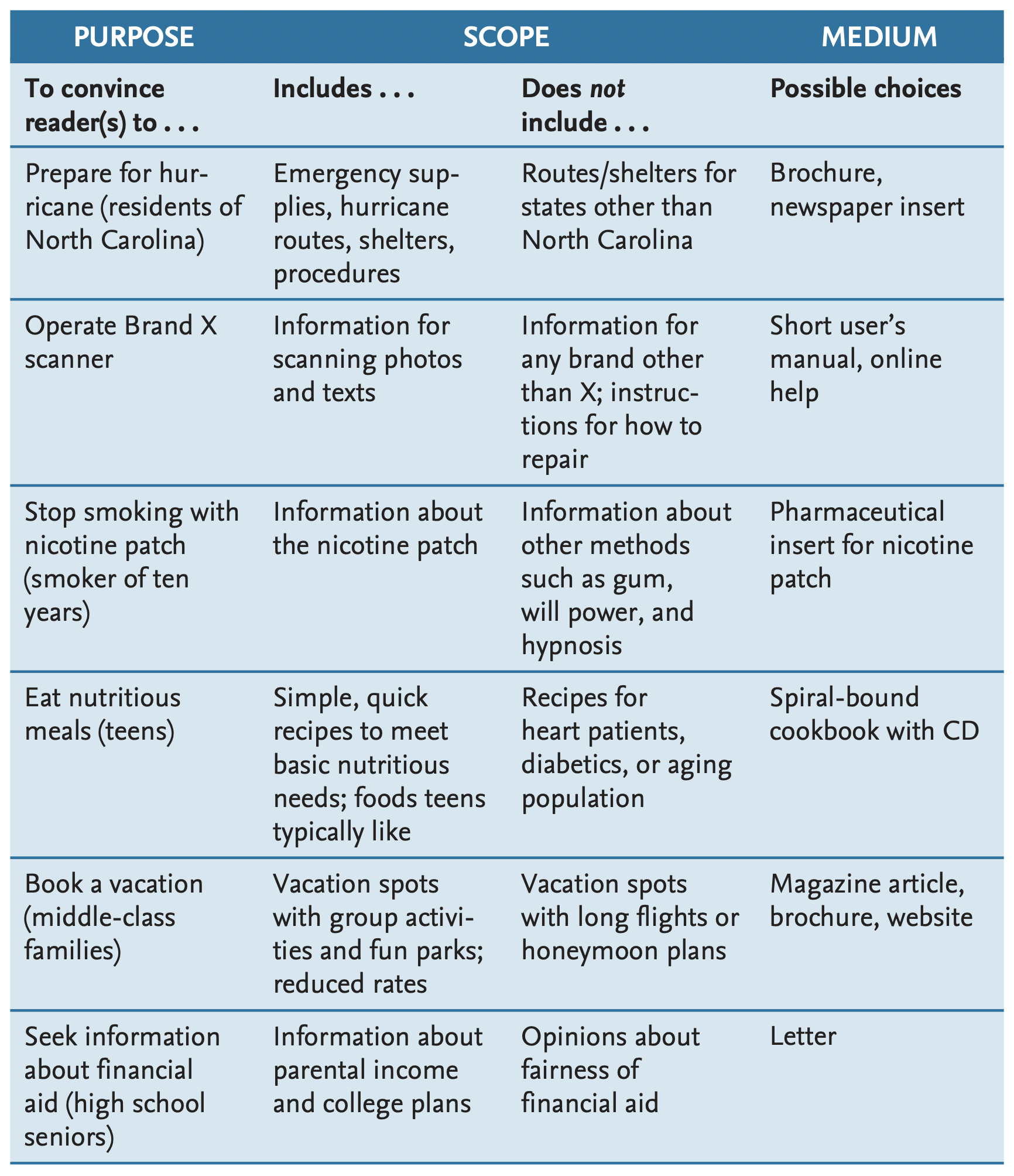
Goal
- Determine how to meet the needs of a specific audience and a multiple audience
- Plan a document’s purpose, scope, and medium
Audience
- The following characteristics of your audience may need to be considered:
- Knowledge level
- Role
- Interest
- Cultural background
Types of Audiences
More specifically, we can consider different categories of readers as follows (the linked examples show texts aimed at those categories of readers):
- Lay reader — general reader; interested, but lacks technical knowledge
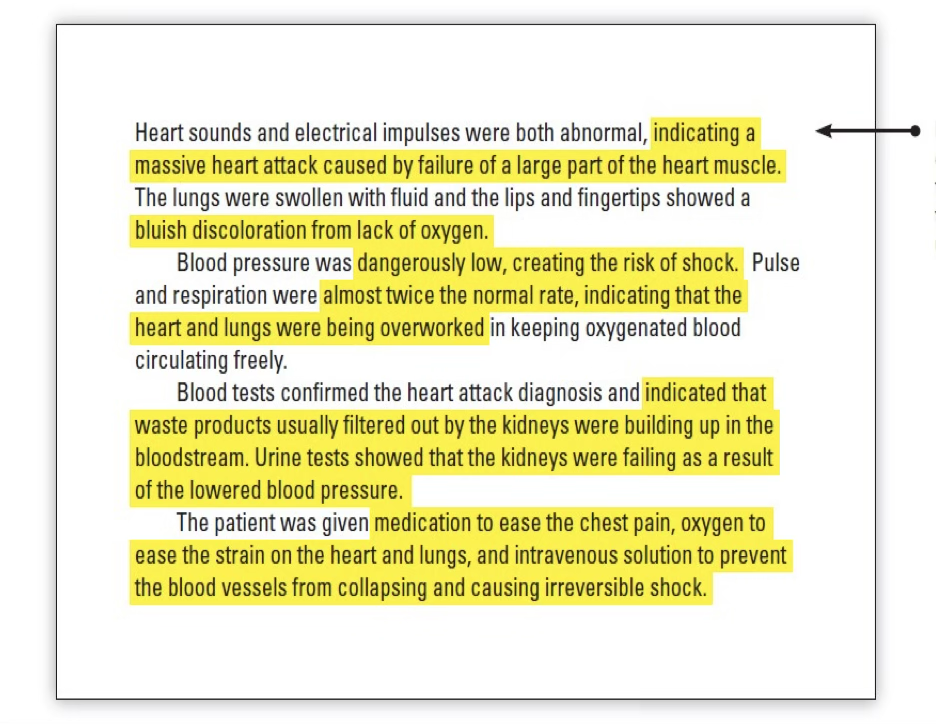
- Plain text, of normal people telling what happened, not that much of a medical term, should be told to the patient, not the expert one,
- Easier vocabulary
- Technician — possesses skilled knowledge; implements the expert’s ideas or plans
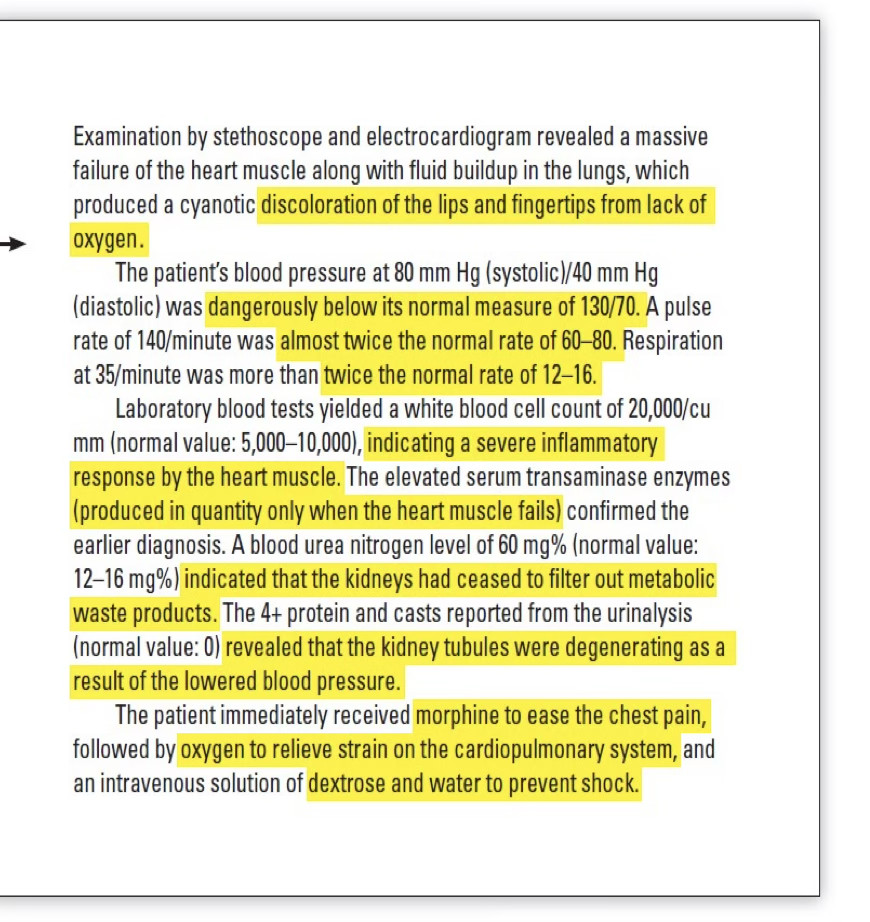
- The technician, I think, they also use some medical terms, but not as heavily as expert, telling what happened, but don’t say it right away what it is.
- Manager — responsible for daily operations and long-range planning (may be any of the above categories also)
- Expert — an authority in a field; highly skilled and professional
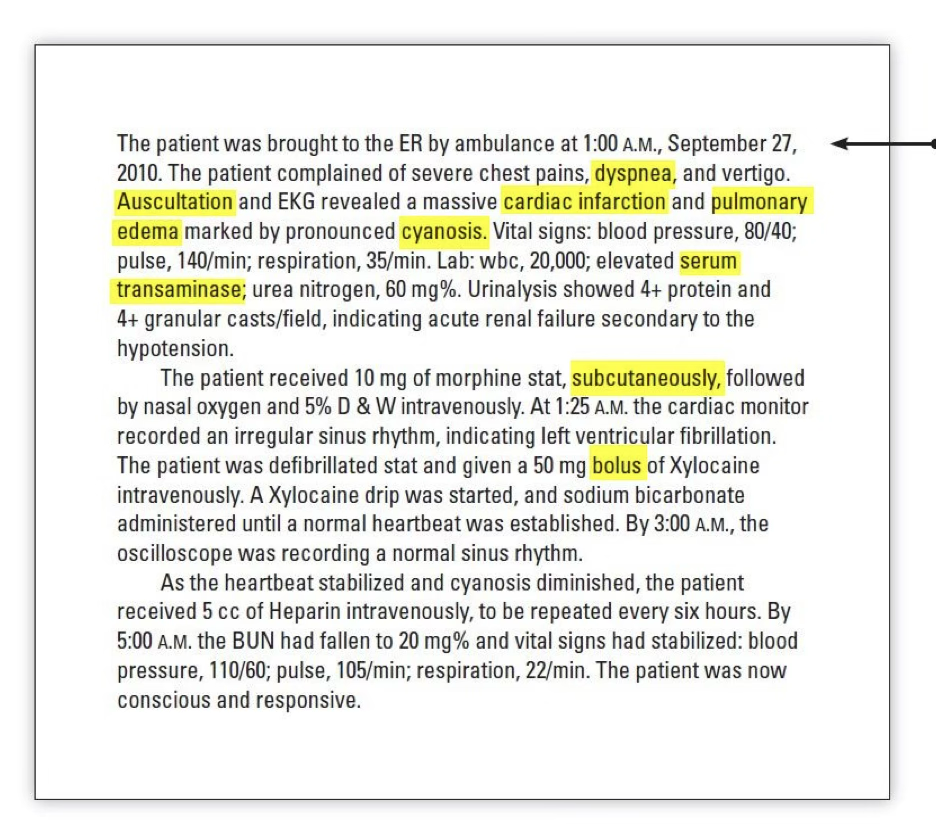
- Experts tend to use a lot of technical words, jargon, medical terms,
- Precise information
Remember that your audience may be multiple and have more than one category and also can be further divided:
Meeting the Needs of a Multiple Audience
- Determine who comes first—whose needs are most important. To decide what data to focus on as you write, divide your audience into two groups
Primary audience
- Are your first responsibility, the most important reader
- Asked for or authorized the document
- Will use document to make decisions, request action, or take action
- Likely to read the entire document
- (E.g. The manager that asked you to write the document)
Secondary audience:
- Will be affected by the document in some way
- Interested in decisions or information in the document
- May use some information for a different purpose
- May scan headings first and read only certain sections
- (E.g. Technicians that may have some use for the document)
ccin an email
Example (from Textbook)
Walsh Plastics is considering building a plant in Thailand. Suppose you are the writer of the feasibility report analyzing the move for the company. Walsh’s executives and the company lawyer must decide whether to open a factory in a foreign country. They constitute the primary audience. The architect who will design the new plant, the sales representatives who will move, and the managers who will train new workers make up the secondary audience.
Plan a Document’s Purpose, Scope, and Medium
- We already know who is our audience and what they need and want!
- Before you begin writing, you should also know:
- The purpose of your document
- The scope of your document
- The medium for your document
Purpose
- The purpose of technical writing is to inform or persuade, or both.
- Consider the following questions when writing your document:
- What do I want to inform my readers about?
- What do I want to persuade or convince them of?
- What do I—or the person asking me to write—want to happen as a result of this document?
Scope
- Scope is what the writing will and will not cover.
- To determine scope, ask yourself:
- How thorough will my coverage be?
- What information do I include and leave out?
ต้องถามตัวเอง (ตอนเขียน) เสมอว่าเพิ่มเข้าไปแล้วผู้อ่านได้ประโยชน์มั้ยน้อ
Medium
- The medium is the means by which information is conveyed, such as a printed document, email, letter, video, etc.
- To determine what medium you will use, ask yourself:
- Is the medium appropriate for my audience?
- Is the time and money required to produce the medium worth the possible outcome?
- What media are available to me?