-
Hitler
- ทำตามคำสั่ง → คนตายเป็นล้าน
-
Milgram
- ทดลองช็อตไฟฟ้า ถึง 450 โวลต์ → 65% ทำตามคำสั่ง
-
Stanford Prison Experiment
- นักโทษ/ผู้คุม → บทบาททำให้คนเปลี่ยนพฤติกรรม
-
Absolutism
- คาดหวังว่า “ผู้มีอำนาจ” ต้องพูดถูกเสมอ
-
Egocentrism
- self or individual is the center of all things
- ตัวเราเป็นศูนย์กลางของทุกสิ่ง
-
Ethnocentrism
- Makes judgments about other groups based on stereotypes
- ใช้กรอบคิดชาติ/กลุ่มตัวเองไปตัดสินคนอื่น
-
Anthropocentrism
- Humans are the central or most significant entities of the universe
- มนุษย์สำคัญที่สุดในจักรวาล
-
Rationalization
- Providing reasons for biased decisions
- หาเหตุผลมาสนับสนุนการตัดสินใจลำเอียง
-
Doublethink
- Holding two contradictory views simultaneously and believing both to be true
- เชื่อสองสิ่งที่ขัดแย้งกันพร้อมกัน
-
Vague → not be specific enough
- คลุมเครือ ไม่เฉพาะเจาะจง
-
Ambiguity → many more meaning
- คำที่มีได้หลายความหมาย
-
**Verbal Disputes
- Disputes that arise over the meaning of the language
- เถียงเพราะความหมายของคำ
-
**Factual Disputes
- Disputes that arise from disagreement about facts
- เถียงเพราะข้อเท็จจริงไม่ตรงกัน
-
Stipulative definition
- assign meaning to a word for the first time
- giving an old word a new meaning นึกถึง straight
-
Lexical definition
- how a word is already used in a language = dictionary
-
Precising Definitions
- To reduce the vagueness of the word นึกถึง poor
-
Theoretical Definitions
- gives a word its meaning through a theory = เช่น heat
-
Persuasive Definitions
- นึกถึง abortion
-
Religious Rationalist
- The (natural world) as a premise to the conclusion that God exists
-
Agnostic
- who believes that the existence of God is ultimately unknowable
- เชื่อว่าเรื่องพระเจ้า → ไม่อาจรู้ได้จริง
-
Atheist
- who does not believe in the existence of God
- ไม่เชื่อว่ามีพระเจ้า
Two main ideas about how we gain knowledge:
-
Rationalists (like Plato): Claim that we discover truth through thinking and logic
- รู้ความจริงจาก “เหตุผล/ตรรกะ”
-
Empiricists: Claim that we learn truth through what we see, hear, and experience
- Science mostly follows empiricism
- รู้ความจริงจาก “ประสบการณ์”
-
False Memory Syndrome
- Sometimes, people remember events that never really happened — or they "remember" things in the wrong way
- จำเรื่องที่ไม่เคยเกิด หรือจำผิด
-
Hearsay:
- When a person hears something and passes it on. The more it gets passed on, the less we can trust it
- ข่าวเล่าต่อ ๆ กัน → เชื่อไม่ได้
-
Anecdotal evidence:
- A personal story or example that someone shares. These often sound true but can be inaccurate, exaggerated, or distorted
- เรื่องเล่าส่วนตัว → ไม่แม่นยำ
-
Confirmation Bias
- เลือกฟังแต่สิ่งที่ตรงกับความเชื่อ
-
Pareidolia
- the tendency to perceive meaningful images or patterns where none exist — influenced by pre-existing beliefs
- นึกถึงพายุรูป fetus in the womb → abortion
- เห็นภาพ/ความหมายในสิ่งไร้ความหมาย
-
Memorable Events Error
- เหตุการณ์จำได้ → คิดว่าบ่อยกว่าจริง
- Overestimating the risk of a plane crash: After a major, widely reported airplane crash, people may overestimate the danger of flying and underestimate the safety of air travel, even though statistically, air travel is very safe.
-
Gambler's Error
- คิดว่าผลสุ่มในอดีตมีผลต่ออนาคต
-
The Lake Wobegon Effect
- A term used in psychology to describe how we often overestimate our abilities
- คิดว่าตัวเองเก่งกว่าค่าเฉลี่ย
-
Cognitive Dissonance
- To feel better, we blame others or deny our own role in the problem.
- ความเชื่อ/การกระทำขัดกัน → หาเหตุผลปลอบใจ
-
Self-Fulfilling Prophecy
- A student thinks “I’m terrible at math”, so they study less and give up quickly. As a result, their math grades go down, which then “proves” their original belief.
- คิดไม่เก่ง → ทำจริงก็แย่ลง
-
One of Us/One of Them Error
- Our minds tend to sort people into two groups: those who are like us and those who are not
-
Asch Experiment
- กดดันจากกลุ่ม → ตอบตามแม้ผิด
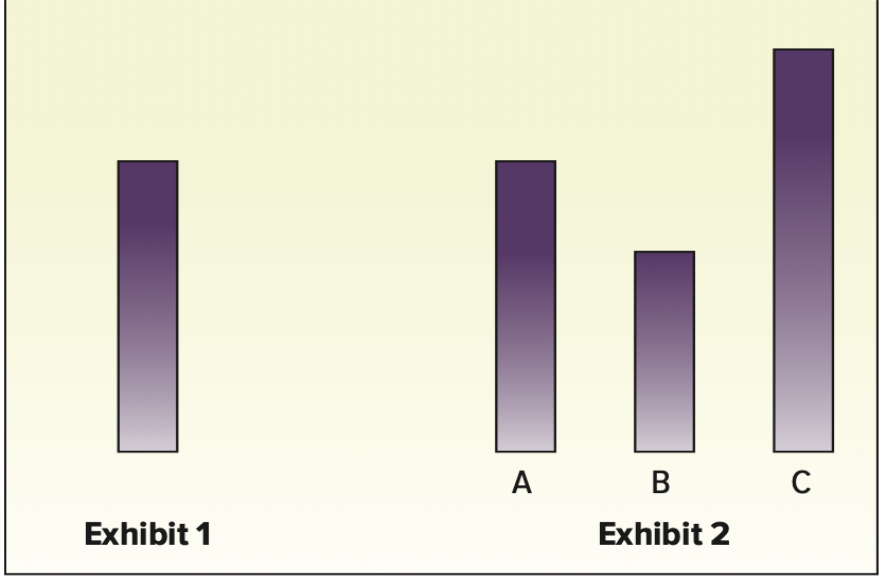
- กดดันจากกลุ่ม → ตอบตามแม้ผิด
-
Bystander
- The greater the number of bystanders present, the smaller the proportion who help
- คนยิ่งเยอะ → ยิ่งไม่ช่วย
-
Fallacy
- A mistake in reasoning
- Formal fallacy: Something wrong with the structure of the argument
- Informal fallacy: Argument feels convincing but is not logical; might play with emotions or use unclear ideas
-
Equivocation
- Occurs when a key term in an argument is ambiguous—when it has more than one meaning
- ”Feathers are light. What is light cannot be dark. So, feathers cannot be dark.”
- ใช้คำหลายความหมายปนกัน
-
Amphiboly
- Occurs when an argument has a sentence with bad or weak grammatical structure, making the meaning unclear
- “I saw the man with the telescope.” (Unclear: Did I use the telescope, or did the man have it?)
- ประโยคสร้างสับสนจากไวยากรณ์
-
Fallacies of Division
- Making an erroneous inference that what is true for the group is true for each member
- ”The basketball team is the best in the league, so every player must be the best in the league.”
- จริงทั้งกลุ่ม → สรุปว่าจริงทุกคน
-
Fallacies of Composition
- Inferring that what is true for a member is true for the whole group, misrepresenting the components of the group
- “Each player on this team is excellent, so the team must be the best in the league.”
- จริงบางคน → สรุปว่าจริงทั้งกลุ่ม
-
Personal Attacks (Ad Hominem)
- The fallacy happens when we attack the person instead of responding to the argument
- Customer: "The product stopped working less than a month after we bought it."
- Product Owner: "Of course you would want a refund because you look like you ran out of money for mindlessly buying stuff you cannot actually pay."
- โจมตีคน ไม่ตอบเหตุผล
-
Appeals to Force/Scare Tactics
- Uses threats—physical, emotional, or social—to pressure someone into agreeing
- "Before you say a word, remember that I pay for your house, food, and clothes."
- ใช้การขู่บังคับ
-
Appeals to Pity
- Appeals to emotions—especially pity—even when those feelings have nothing to do with the logic of the argument
- Student: "My total grade is below the passing grade, but if you give me an F my family will be disappointed in me. It will hurt me to disappoint my parents who worked hard. I want to have a better future, but an F on my record will ruin my chances of a scholarship. Surely, I should not be given an F."
- ใช้ความสงสารแทนเหตุผล
-
Popular Appeals Fallacy (Appeal to the people/ad populum)
- Tries to win agreement by using popularity or popular sentiments instead of real reasons
- "Of course you want to be as hot as Ryan Gosling. This means you will want to wear a Tag Heuer watch like his."
- "Everybody believes in gravity. You should too."
- ใช้ความนิยมแทนเหตุผล
-
Appeal to Ignorance
- Says something is true just because no one has proven it false—or false because no one has proven it true
- "You cannot prove that it wasn't destiny that led us to each other, so it is true that destiny brought us together."
- บอกจริงเพราะไม่มีใครพิสูจน์เท็จ
-
Hasty Generalization
- A conclusion about a group based on too small or biased a sample
- "Dr. Kob Fitzwilliam, Prof. Nook Demarchy and Mrs. Look-orn van der Berg are from the same province, and the three of them went to study in Europe. The women in that province have European college degrees."
- สรุปเร็วเกินจากข้อมูลน้อย
-
Strawman Fallacy
- Occurs when someone distorts the original argument to create a weak version, then attacks that version instead
- "My siblings want the contribution for the household expense according to our income. What they really want is to bleed out the ones who work hard and earn more."
- บิดคำพูดอีกฝ่ายให้ง่ายต่อการโจมตี
-
Red Herring
- The response changes the topic to distract from the real issue
- A: Nuclear power plants are dangerous.
- B: Electricity is dangerous no matter where it comes from. Many die from electrocution, mostly from carelessness. Therefore we need to teach people the safe use of electricity. If we want to be far from harm, we need everyone to have the knowledge and skills to deal with electric connections.
- เบี่ยงประเด็น
-
Begging the Question
- This fallacy happens when the conclusion just repeats the same idea as the premise—nothing new is really proven
- "Robbery is morally wrong. This is the same. Therefore, the lottery is morally wrong."
- วนซ้ำ พิสูจน์สิ่งที่ต้องพิสูจน์
-
Inappropriate Appeal to Authority (Unqualified Authority)
- Occurs when someone uses an unreliable or unqualified source to support their argument
- "The CEO of the tobacco company swore that cigarettes are addictive. He knows so much about cigarettes. So, cigarettes do not cause addiction."
- ใช้แหล่งข้อมูลไม่น่าเชื่อถือ
-
Loaded Question (Complex Questions)
- Two or more questions are asked in the guise of a single question. Acting as a trap, it asks a question that already assumes something controversial or unproven
- "Where did you hide the marijuana you were smoking?"
- คำถามที่แอบใส่ข้อกล่าวหา
-
- False Dilemma (False Dichotomy)
- This fallacy limits complex issues to only two options, even when more exist
- "Either you love this country, or you hate it. You adopt our culture or go back to where you came from."
- ยัดให้เลือกแค่ 2 อย่าง ทั้งที่มีมากกว่า
-
Slippery Slope
- This fallacy exaggerates: if one thing happens, it'll trigger a chain of bad events—even without real proof
- "If we allow students to wear what they want, they will demand to do what they want. This will lead to a loss of respect for rules and regulations. Soon, there will be no more respect for each other's rights, and there will be no more rules to follow. The school system will disintegrate. There will be anarchy instead of education."
- พูดเว่อเกิน ว่าจะลากไปเรื่องใหญ่
-
Naturalistic Fallacy
- This fallacy assumes that because something is natural, it is good or acceptable
- "These cigarettes are made from natural tobacco."
- คิดว่าสิ่งที่ “ธรรมชาติ” = ดีเสมอ
-
Proposition
- A complete statement that can be true or false
-
Rhetoric:
- Focused on persuading people
- Even if it ignores important evidence of opposing views
- Aims to win
-
Argument:
- Gives reasons to support a claim
- Purpose is to discover the truth