Regulating Offer and Acceptance for E-commerce
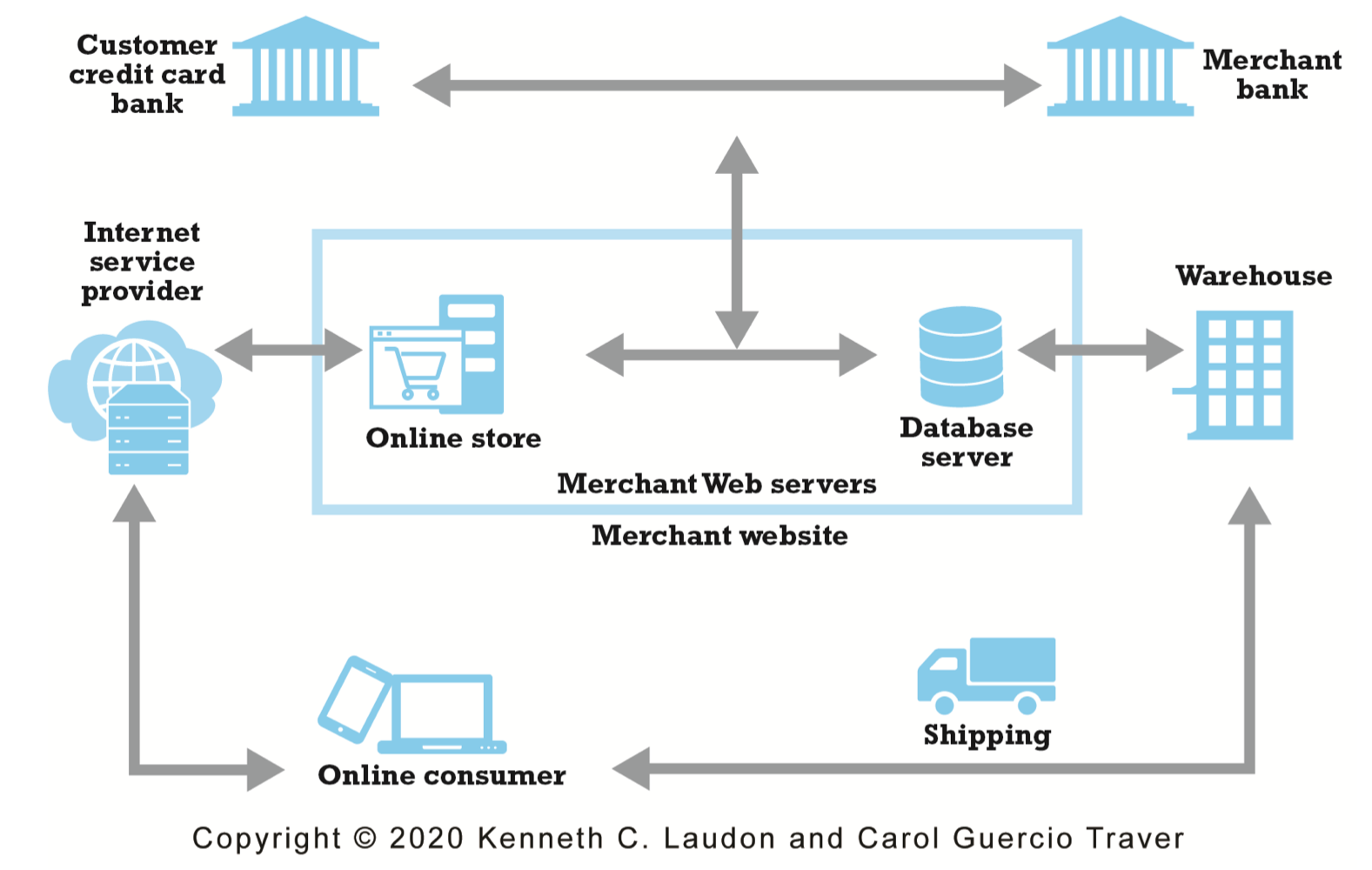
In the absence of case law to provide clarity, co mmentators speculated on the nature of e-commerce sites.
- Most agreed that despite the lack of a human actor, the interactive nature of websites made them more akin to self-service shop displays than vending or ticket machines.
- The lack of clarity led to divergent approaches across Europe, with some following the "standing offer" principle and others the "invitation to treat" principle.
- This lack of harmonization raised concerns about its potential adverse impact on cross-border e-commerce transactions in both B2B and B2C contexts.
Invitation to Treat:
An invitation to treat refers to the act of inviting someone to enter into a contract. This invitation is typically demonstrated by actions such as displaying goods in a department store. In this scenario:
- A customer can peruse the goods, examine their prices, and make a decision about whether to buy.
- If satisfied, the customer proceeds to check out or pay, constituting an offer to purchase.
- When the cashier checks the price and hands over the goods, the acceptance of the offer takes place. Shop accepts offer from customer
- Consequently, a contract of sale is formed at this point.
Standing Offer
- A Standing Offer is a pre-established agreement between a buyer and a seller, facilitating repeated purchases over a specified period without constant renegotiation. It streamlines procurement processes and provides stability in commercial relationships. For example, a company may have a standing offer with a supplier for office supplies, ensuring consistent and efficient procurement without frequent negotiations.
- Standing Offer (Vending Machine Transaction): In this scenario, a standing offer describes the agreement established when a customer inserts money into a vending machine to purchase a ticket. The key characteristics include:
- Instant Commitment: The customer becomes committed to the transaction at the very moment they insert money into the machine.
- Irreversibility: Once the money is inserted, the customer cannot retrieve it. The commitment is beyond recall, implying that the customer is obligated to complete the transaction. (เอาเงินคืนไม่ได้)
- Instant Acceptance: The acceptance of the offer (to purchase a ticket) occurs immediately when the money is put into the machine. This instantaneous acceptance ==leads to the conclusion of the contract at that moment.==
Vending machine made offer(with products. price), Customer accept the offer**
In Amazon's Conditions of Sale
- The principle applied is that the customer's order is considered an offer to buy a product from Amazon (Invitation to treat) — มีของให้ซื้อมากมาย ออกจะคล้าย ๆ Department store มากกว่า Vending machine.
- The process involves the following steps:
- Order Placement:
- When a customer places an order on Amazon, it is regarded as an offer made by the customer to purchase the specified product(s).
- Order Confirmation Email:
- Amazon responds by sending an Order Confirmation Email to acknowledge the receipt of the order and provide details. However, this email does not confirm the acceptance of the customer's offer to buy the product.
- Acceptance and Contract Conclusion:
- The actual acceptance of the customer's offer and the conclusion of the contract occur when Amazon dispatches the product and sends a Dispatch Confirmation Email to the customer. This email confirms that the product has been dispatched to the customer, finalizing the contract of sale.
- Order Placement:
In summary, Amazon follows the principle that the customer's order is treated as an offer, and the contract is only concluded when Amazon dispatches the product and notifies the customer through a Dispatch Confirmation Email.
Contract of Sale: Definition
The Civil and Commercial Law Code of Thailand #LawCode
Section 453: Sale is a contract whereby a person, called the seller, transfers to another person, called the buyer, the ownership of property, and the buyer agrees to pay to the seller a price for it.
มาตรา 453: อันว่าซื้อขายนั้นคือสัญญาซึ่งบุคคลฝ่ายหนึ่งเรียกว่าผู้ขาย โอนกรรมสิทธิ์แห่งทรัพย์สิน ให้แก่บุคคลอีกฝ่ายหนึ่งเรียกว่าผู้ซื้อ และ ผู้ซื้อตกลงว่าจะใช้ราคาทรัพย์สินนั้นให้แก่ผู้ขาย
-
Informal in nature.
-
transfer ownership of on property
-
requires seller, buyer; buyer pays the price for owner’s property
The Civil and Commercial Law Code of Thailand #LawCode
Section 456: (Paragraph 1) A sale of immovable property is void unless it is made in writing and registered by the competent official. The same rule applies to ships or vessels of five tons and over, including floating houses and to beasts of burden.
- The sale of immovable property must be written only
(Paragraph 2) An agreement to sale or to buy or the promise to sale or to buy as mentioned in the first paragraph is not enforceable by action unless there is some written evidence signed by the party liable or deposited or paid a part of some debts.
- need 2 signatures of the 2 parties to be enforceable
(Paragraph 3) The provisions of the foregoing paragraph shall be applied to a contract of sale of movable property where the agreed price is twenty thousand baht or upwards.
- The sale of movable property must be written in contract if 20k upwards
มาตรา 456: การซื้อขายอสังหาริมทรัพย์ ถ้ามิได้ทำเป็นหนังสือและจดทะเบียนต่อพนักงานเจ้าหน้าที่เป็นโมฆะ วิธีนี้ให้ใช้ถึงซื้อขายเรือมีระวางตั้งแต่ห้าตันขึ้นไป ทั้งซื้อขายแพและสัตว์พาหนะด้วย
สัญญาจะขายหรือจะซื้อทรัพย์สินตามที่ระบุไว้ในวรรคหนึ่ง ถ้ามิได้มีหลักฐานเป็นหนังสืออย่างหนึ่งอย่างใดลงลายมือชื่อฝ่ายผู้ต้องรับผิดเป็นสำคัญ หรือได้วางประจำไว้ หรือได้ชำระหนี้บางส่วนแล้ว จะฟ้องร้องให้บังคับคดีหาได้ไม่
บทบัญญัติที่กล่าวมาในวรรคก่อนนี้ ให้ใช้บังคับถึงสัญญาซื้อขายสังหาริมทรัพย์ซึ่งตกลงกันเป็นราคาสองหมื่นบาท หรือกว่านั้นขึ้นไปด้วย
Contract of Sale: Elements
- Mutual Obligation:
- A contract of sale involves mutual obligations between the buyer and the seller.
- No Form Requirement (Except for Immovable Properties):
- Typically, there is no specific form required for a contract of sale, except in the case of immovable properties, where writing and registration are necessary (as specified in Section 456).
- Purpose:
- The primary purpose of a contract of sale is to transfer ownership of the property, with the property itself being the subject of the contract.
Thai Electronic Transactions Act
Thai Electronic Transactions Act B.E. 2544 is intended to facilitate (ทำให้ง่ายขึ้น) e-commerce by allowing some commercial acts, such as offers, acceptance and signatures to be made through…
- electronic data interchange (E.D.I)
- telegram
- telex
- facsimile
- other means to be conducted via the internet networks.
Signature (General Principles)
The Civil and Commercial Law Code of Thailand #LawCode
Section 9: (Paragraph 1) Whenever a writing is required by law, it is not necessary that it be written by the person from whom it is required, but it must bear his signature.
- can let others write or type but need to bear with signature
(Paragraph 2) A fingerprint, cross, seal, or other such mark affixed to a document instead of a signature is equivalent to a signature if it is certified by the signature of two witnesses.
(Paragraph 3) The provisions of paragraph two shall not be applied to a fingerprint, cross, seal, or such other mark affixed to a document before the competent authorities.
- don’t need 2 witnesses if we have marked affixed in front of competent authorities
มาตรา 9: เมื่อมีกิจการอันใดซึ่งกฎหมายบังคับให้ทำเป็นหนังสือ บุคคลผู้จะต้องทำหนังสือไม่จำเป็นต้องเขียนเอง แต่หนังสือนั้นต้องลงลายมือชื่อของบุคคลนั้น
ลายพิมพ์นิ้วมือ แกงได ตราประทับ หรือเครื่องหมายอื่นทำนองเช่นว่านั้นที่ทำลงในเอกสารแทนการลงลายมือชื่อ หากมีพยานลงลายมือชื่อรับรองไว้ด้วยสองคนแล้วให้ถือเสมอกับลงลายมือชื่อ
ความในวรรคสองไม่ใช้บังคับแก่การลงลายพิมพ์นิ้วมือ แกงได ตราประทับหรือเครื่องหมายอื่นทำนองเช่นว่านั้น ซึ่งทำลงในเอกสารที่ทำต่อหน้าพนักงานเจ้าหน้าที่
- Required by law: ก็พวก formal contract, legal document ไง
Electronic Signature
- Enabling electronic forms and delivery in formal contracts is only part of the solution for online contracting.
- Many formal contracts not only demand a specific form but also require the adoption of terms, often through a signature or its equivalent.
- The challenge lies in electronic documents lacking a physical structure for signatures, necessitating innovative design solutions to replace traditional signatures in the realm of Electronic Signatures.
Primary function of Signature
The primary function of a signature is authentication,
The following altogether are the sub-functions that a signature provides evidence of:
- The identity of the signatory.
- The intent for the signature to be valid
- The approval and adoption of the document's contents by the signatory.
Section 4: Definitions (Thai Electronic Transactions Act B.E. 2544)
Thai Electronic Transactions Act B.E. 2544 #LawCode
Section 4 (MODIFIED):
- Transaction: Any act relating to civil and commercial activity or the carrying out of the affairs of the State as prescribed in Chapter 4.
- Electronics: Application of an electron means, electrical means, electromagnetic means, or any other means of a similar nature, including an application of an optical means, a magnetic means, or a device in connection with an application of any of the aforesaid means.
- Electronic Transaction: A transaction in which an electronic means is used in whole or in part.
- Information: An incident or fact, regardless of whether expressed in the form of a letter, number, sound, image, or any other form capable of connotation by itself or through any means.
- Data Message: Information generated, sent, received, stored, or processed by electronic means, such as electronic data interchange (EDI), electronic mail, telegram, telex, or facsimile.
- Electronic Signature:
- A letter, character, number, sound, or any other symbol created in electronic form and affixed to a data message.
- Its purpose is to establish the association between a person and a data message, identifying the signatory involved in the data message and indicating the signatory's approval of the information in the data message.
- Signature ใน Email ก็จะเป็นพวก Email address itself
- Information System: A system of data message processing using an electronic device for generating, sending, receiving, storing, or processing a data message.
- Electronic Data Interchange: The dispatch or receipt of information from computer to computer using an agreed standard.
- Originator: A person by whom the data message purports to have been sent or generated, whether before storage or during the sending process, and does not include an intermediary concerning that data message. (คนสร้าง Message และส่ง)
- Addressee means: A person intended by the originator to receive the data message and who actually receives it, excluding intermediaries concerning that data message. (ผู้รับ Message)
- Intermediary means: A person who, on behalf of another person, sends, receives, or stores a particular data message, including providing other services related to that data message. (Cloud service provider, Internet service provider – provide support)
มาตรา 4:
- “ธุรกรรม” หมายความว่า การกระทำใด ๆ ที่เกี่ยวกับกิจกรรมในทางแพ่งและพาณิชย์ หรือในการดำเนินงานของรัฐตามที่กำหนดในหมวด ๔
- “อิเล็กทรอนิกส์” หมายความว่า การประยุกต์ใช้วิธีการทางอิเล็กตรอน ไฟฟ้า คลื่นแม่เหล็กไฟฟ้า หรือวิธีอื่นใดในลักษณะคล้ายกัน และให้หมายความรวมถึงการประยุกต์ใช้วิธีการทางแสง วิธีการทางแม่เหล็ก หรืออุปกรณ์ที่เกี่ยวข้องกับการประยุกต์ใช้วิธีต่าง ๆ เช่นว่านั้น
- “ธุรกรรมทางอิเล็กทรอนิกส์” หมายความว่า ธุรกรรมที่กระทำขึ้นโดยใช้วิธีการทางอิเล็กทรอนิกส์ทั้งหมดหรือแต่บางส่วน
- “ข้อความ” หมายความว่า เรื่องราว หรือข้อเท็จจริง ไม่ว่าจะปรากฏในรูปแบบของตัวอักษร ตัวเลข เสียง ภาพ หรือรูปแบบอื่นใดที่สื่อความหมายได้โดยสภาพของสิ่งนั้นเองหรือโดยผ่านวิธีการใด ๆ
- “ข้อมูลอิเล็กทรอนิกส์” หมายความว่า ข้อความที่ได้สร้าง ส่ง รับ เก็บรักษา หรือประมวลผลด้วยวิธีการทางอิเล็กทรอนิกส์ เช่น วิธีการแลกเปลี่ยนข้อมูลทางอิเล็กทรอนิกส์ จดหมายอิเล็กทรอนิกส์ โทรเลข โทรพิมพ์ หรือโทรสาร
- “ลายมือชื่ออิเล็กทรอนิกส์” หมายความว่า อักษร อักขระ ตัวเลข เสียงหรือสัญลักษณ์อื่นใดที่สร้างขึ้นให้อยู่ในรูปแบบอิเล็กทรอนิกส์ซึ่งนำมาใช้ประกอบกับข้อมูลอิเล็กทรอนิกส์เพื่อแสดงความสัมพันธ์ระหว่างบุคคลกับข้อมูลอิเล็กทรอนิกส์ โดยมีวัตถุประสงค์เพื่อระบุตัวบุคคลผู้เป็นเจ้าของลายมือชื่ออิเล็กทรอนิกส์ที่เกี่ยวข้องกับข้อมูลอิเล็กทรอนิกส์นั้น และเพื่อแสดงว่าบุคคลดังกล่าวยอมรับข้อความในข้อมูลอิเล็กทรอนิกส์นั้น
- “ระบบข้อมูล” หมายความว่า กระบวนการประมวลผลด้วยเครื่องมืออิเล็กทรอนิกส์สำหรับสร้าง ส่ง รับ เก็บรักษา หรือประมวลผลข้อมูลอิเล็กทรอนิกส์“การแลกเปลี่ยนข้อมูลทางอิเล็กทรอนิกส์” หมายความว่า การส่งหรือรับข้อความด้วยวิธีการทางอิเล็กทรอนิกส์ระหว่างเครื่องคอมพิวเตอร์โดยใช้มาตรฐานที่กำหนดไว้ล่วงหน้า
- “ผู้ส่งข้อมูล” หมายความว่า บุคคลซึ่งเป็นผู้ส่งหรือสร้างข้อมูลอิเล็กทรอนิกส์ก่อนจะมีการเก็บรักษาข้อมูลเพื่อส่งไปตามวิธีการที่ผู้นั้นกำหนด โดยบุคคลนั้นอาจจะส่งหรือสร้างข้อมูลอิเล็กทรอนิกส์ด้วยตนเอง หรือมีการส่งหรือสร้างข้อมูลอิเล็กทรอนิกส์ในนามหรือแทนบุคคลนั้นก็ได้ ทั้งนี้ ไม่รวมถึงบุคคลที่เป็นสื่อกลางสำหรับข้อมูลอิเล็กทรอนิกส์นั้น
- “ผู้รับข้อมูล” หมายความว่า บุคคลซึ่งผู้ส่งข้อมูลประสงค์จะส่งข้อมูลอิเล็กทรอนิกส์ให้ และได้รับข้อมูลอิเล็กทรอนิกส์นั้น ทั้งนี้ ไม่รวมถึงบุคคลที่เป็นสื่อกลางสำหรับข้อมูลอิเล็กทรอนิกส์นั้น
- “บุคคลที่เป็นสื่อกลาง” หมายความว่า บุคคลซึ่งกระทำการในนามผู้อื่นในการส่ง รับ หรือเก็บรักษาข้อมูลอิเล็กทรอนิกส์อันใดอันหนึ่งโดยเฉพาะ รวมถึงให้บริการอื่นที่เกี่ยวกับข้อมูลอิเล็กทรอนิกส์นั้น
Legal Effect and Enforceability of Data Message
Thai Electronic Transactions Act B.E. 2544 #LawCode
Section 7: Information shall not be denied legal effect and enforceability solely on the ground that it is in the form of a data message.
- Data message also has legal effect and enforceability
มาตรา 7: ห้ามมิให้ปฏิเสธความมีผลผูกพันและการบังคับใช้ทางกฎหมายของข้อความใดเพียงเพราะเหตุที่ข้อความนั้นอยู่ในรูปของข้อมูลอิเล็กทรอนิกส์
Electronic Transactions
As per Section 4 of the Thai Electronic Transactions Act B.E. 2544, an "electronic transaction" is defined as a transaction where electronic means are utilized either wholly or partially. This typically involves the use of the internet or other open networks.
Types of Electronic Transactions:
- Electronic Transaction for Sale of Physical Goods or Services:
- Refers to transactions conducted electronically that involve the sale or exchange of tangible items or services in the physical world.
- Electronic Transaction for Sale of Digital Goods or Services:
- Involves electronic transactions specifically related to the sale or exchange of intangible items or services, often in digital format, such as software, media, or online services.
- Apple Music, Spotify
Electronic Transaction: Offer/Acceptance
Thai Electronic Transactions Act B.E. 2544 #LawCode
Section 13: An offer or acceptance in entering into a contract may be expressed by means of a data message. A contract shall not be denied legal effect solely on the grounds that such offer or acceptance is made in the form of a data message.
มาตรา 13: คำเสนอหรือคำสนองในการทำสัญญาอาจทำเป็นข้อมูลอิเล็กทรอนิกส์ก็ได้ และห้ามมิให้ปฏิเสธการมีผลทางกฎหมายของสัญญาเพียงเพราะเหตุที่สัญญานั้นได้ทำคำเสนอหรือคำสนองเป็นข้อมูลอิเล็กทรอนิกส์
Electronic Transaction: Declaration of Intention
Thai Electronic Transactions Act B.E. 2544 #LawCode
Section 14: As between the originator and the addressee of a data message, a declaration of will or notice may be made in the form of a data message.
มาตรา 14: ในระหว่างผู้ส่งข้อมูลและผู้รับข้อมูล การแสดงเจตนาหรือคำบอกกล่าวอาจทำเป็นข้อมูลอิเล็กทรอนิกส์ก็ได้
Thai Electronic Transactions Act B.E. 2544 #LawCode
Section 22: The dispatch of a data message is deemed to occur when such data message enters an information system outside the control of the originator.
- The dispatch of data message: the message is successfully sent, out of originator’s control
มาตรา 22: การส่งข้อมูลอิเล็กทรอนิกส์ให้ถือว่าได้มีการส่งเมื่อข้อมูลอิเล็กทรอนิกส์นั้นได้เข้าสู่ระบบข้อมูลที่อยู่นอกเหนือการควบคุมของผู้ส่งข้อมูล
Thai Electronic Transactions Act B.E. 2544 #LawCode
Section 23: The receipt of a data message is deemed to occur from the time when such data message enters an information system of the addressee.
- When it reaches mailbox of the addressee, not the time it’s sent
If the addressee has designated an information system for the purpose of receiving data message specifically, it shall be deemed that the receipt of a data message occurs at the time when the data message enters the designated information system. However, if such data message is sent to an information system of the addressee that is not the designated information system, it shall be deemed that the receipt of a data message occurs at the time when the data message is retrieved from that information system.
The provision of this section applies notwithstanding that the place where the information system is located may be different from the place where the data message is deemed to be received by the addressee under Section 24.
มาตรา 23: การรับข้อมูลอิเล็กทรอนิกส์ให้ถือว่ามีผลนับแต่เวลาที่ข้อมูลอิเล็กทรอนิกส์นั้นได้เข้าสู่ระบบข้อมูลของผู้รับข้อมูล
หากผู้รับข้อมูลได้กำหนดระบบข้อมูลที่ประสงค์จะใช้ในการรับข้อมูลอิเล็กทรอนิกส์ไว้โดยเฉพาะให้ถือว่าการรับข้อมูลอิเล็กทรอนิกส์มีผลนับแต่เวลาที่ข้อมูลอิเล็กทรอนิกส์นั้นได้เข้าสู่ระบบข้อมูลที่ผู้รับข้อมูลได้กำหนดไว้นั้น แต่ถ้าข้อมูลอิเล็กทรอนิกส์ดังกล่าวได้ส่งไปยังระบบข้อมูลอื่นของผู้รับข้อมูลซึ่งมิใช่ระบบข้อมูลที่ผู้รับข้อมูลกำหนดไว้ ให้ถือว่าการรับข้อมูลอิเล็กทรอนิกส์มีผลนับแต่เวลาที่ได้เรียกข้อมูลอิเล็กทรอนิกส์จากระบบข้อมูลนั้น
ความในมาตรานี้ให้ใช้บังคับแม้ระบบข้อมูลของผู้รับข้อมูลตั้งอยู่ในสถานที่อีกแห่งหนึ่งต่างหากจากสถานที่ที่ถือว่าผู้รับข้อมูลได้รับข้อมูลอิเล็กทรอนิกส์ตามมาตรา 24
Payment & Security
Tension between Security & Other Values:
- Ease of use:
- The more security measures added, the more challenging a site becomes to use, and the slower its functionality.
- Public safety and criminal uses of the Internet:
- Addressing concerns related to public safety and the potential for criminals to exploit the internet for planning crimes or threatening nation-states.
Security Threats in the E-commerce Environment
- 3 key points of vulnerability in e-commerce environment:
- Client
- Server
- Communications pipeline (Internet communications channels)