Course Introduction
- Good Critical thinking means thinking carefully before believing or acting
- We need to:
- Check the evidence behind a belief or claim
- Notice if our thinking is being affected by mistakes, bias, or emotion
- Avoid quick judgments or actions based only on what we expect or assume
Lesson Agenda
- Human Knowledge & Limitation
- Evaluating Evidence
- Cognitive & Perceptual Errors in Thinking
- Social Errors & Biases
1. Human Knowledge & Its Limitations
How do we know what we know?
Human Knowledge
- Knowledge: Information or experience we believe to be true & for which we have justification or evidence
- To think clearly, we need to know how we learn things — and also recognize that what we know might be limited or incomplete
Rationalism & Empiricism
Two main ideas about how we gain knowledge:
- Rationalists (like Plato): Claim that we discover truth through thinking and logic
- Empiricists: Claim that we learn truth through what we see, hear, and experience
- Science mostly follows empiricism
Structure of the Mind (Immanuel Kant)
- Immanuel Kant, a German philosopher, believed we do not see reality directly
- Instead, our brain shapes and filters what we see and understand
- This means two people might experience the same event — but see it differently, because their minds interpret it differently
2. Evaluating Evidence
Not all evidence is created equal, so how do we judge the quality of information we use to support our claims?
Evidence
- Definition: Anything that is used to support or challenge a belief or idea
- In arguments, it gives us reasons to believe a claim
- It can come from many places— our own experience, experts, research, or news
- We must check if the evidence is trustworthy before using it
Direct Experience & False Memories
Part 1: Memory Limitations
- We often trust our own experience — what we see, hear, or remember
- But our brain changes and filters what we experience
- Memories are not perfect recordings
- They can be changed by time, words, or what other people say
- Even our senses can be fooled
Part 2: False Memory Syndrome
- Sometimes, people remember events that never really happened — or they "remember" things in the wrong way
- This is called false memory syndrome
- Example: After the Challenger Disaster, many people thought they saw things that weren't actually there. Their brains filled in the blanks based on emotion, what they heard, or because of time

Language & Suggestibility
- Language can also alter memory through the use of leading questions and specific words in the question
- Suggestibility is when our minds fills in details based on hints or language-- not just facts
Study Example:
- In a study, participants saw a film of a car accident. They were asked about the speed of the car
- The averaged responses varied based on specific question wording:
- "How fast were the cars going when they smashed each other?" → 41 mph
- "How fast were the cars going when they collided?" → 40 mph
- "How fast were the cars going when they bumped each other?" → 38 mph
- "How fast were the cars going when they hit each other?" → 35 mph
- "How fast were the cars going when they contacted each other?" → 32 mph
แค่เปลี่ยน Verb คือคำตอบเปลี่ยนไปละ ต่างกันเกือบ 10 mph
Memorization Strategies
- Visualization inspection: Look closely and create a mental image of what you see
- Verbal elaboration: Use words or phrases to explain or connect what you want to remember
- Mental imagery: Imagine something unusual or vivid to help lock it in your mind
- Memory retrieval: Try to recall the idea later and connect it to something personal
Hearsay & Anecdotal Evidence
Two types of evidence are notoriously unreliable and require us to approach their claims with skepticism:
- Hearsay: When a person hears something and passes it on. The more it gets passed on, the less we can trust it
- Anecdotal evidence: A personal story or example that someone shares. These often sound true but can be inaccurate, exaggerated, or distorted
Experts & Credibility
- Experts can be reliable—but not automatically
- Before we accept what they say, we need to check if they are really qualified in that field
Four factors used to determine expertise:
EERA
- Education or training from a reputable place
- Experience in making decisions in that area
- Reputation among other experts
- Achievements like awards or published work
Inadequate Research & Product Misrepresentation
- Some "experts" support claims not because they're true– but because they are paid to do so by special-interest groups
- Example: Milk ads claimed it builds strong bones among adults, but Harvard research and other medical groups found that drinking milk in adults increases bone loss
Evaluating Claims
- When we check a claim, we need to look at the evidence carefully. It should be accurate, unbiased, and complete
- One common mistake is confirmation bias — when we only notice or accept information that agrees with our existing beliefs, and ignore anything that disagrees
Examples of problematic evidence evaluation:
- US Secretary of State Colin Powell making the case for Iraq's "weapons of mass destruction" at the UN
- Peter Jennings once featured a piece of news story disproving therapeutic claims of massage based on a 4th grader's science project
Research is the Key to Knowledge
Good Critical Thinkers spend time researching claims & collecting information before drawing conclusions
Recommended research resources:
- Expert interviews
- Dictionaries & Encyclopedias
- Library catalogs & scholarly journals
- Government documents & Internet sites
When doing research: Take accurate notes, cite your sources, & use quotations to acknowledge sources
Active Learning Task 4.2: Group Discussion
Work in small groups to discuss each claim below. What kind of evidence would you need to check if the claim is true or false? How would you go about finding that evidence?
Claims to evaluate:
- Japanese live longer than Thais
- People born in the year of the snake are the sharpest thinkers
- Genetically modified food is dangerous
Confirmation Bias & Neuroscience
- Brain scans show that when we believe something that matches what we already think, our brain gives us a small pleasure signal — even if the belief is wrong
- This emotional comfort makes it harder to notice mistakes in our thinking
Key Quote: "As critical thinkers, we should train ourselves to question evidence that supports what we already believe. We need to pause, check for bias, and be willing to take opposing evidence seriously — even if it challenges our views."
3. Cognitive & Perceptual Errors In Thinking
How do mental habits and social influence affect what we think we know?
Overview
- We don't just see the world — we interpret it
- Our interpretations can be distorted by social pressure, cultural beliefs, and groupthink
- These forces can override what our senses tell us
- Even perception is not purely personal. It's socially shaped
Perceptual Errors (Part 1)

- Our minds aren't like cameras; they don't record the world exactly
- Instead, the brain builds a version of reality based on what it expects to see
- When data is incomplete or confusing, the brain will:
- Filter some details out
- Fill in missing parts to match what it "expects"
Visual Examples:
- St. Louis Arch: Its height and width are both 630 ft. (appears taller than wide due to perception)

Pareidolia Example
- After Hurricane Katrina in 2005, a radar image of the storm was interpreted by some as showing the shape of a fetus in the womb
- Certain anti-abortion groups used this visual coincidence to argue that the hurricane was a divine punishment for abortion clinics
- This is an example of pareidolia — the tendency to perceive meaningful images or patterns where none exist — influenced by pre-existing beliefs
Key Quote: "Our brains dislike randomness. When we don't understand something, we often imagine meaning, patterns, or order—even when none exists."
Memorable Events Error
- This is a cognitive error where we vividly remember rare or dramatic events, making them seem more common than they are
- Often linked with confirmation bias
Example: In the U.S., many people believe that terminally ill patients can hold on until after a birthday or holiday to pass away. A study by Young and Hade found no evidence for this idea—there was no drop in deaths before holidays. Still, many people rejected the study because it challenged a comforting belief.
Example: After seeing lots of news stories about plane crashes, someone might start to believe that flying is very dangerous and that crashes happen often.
In reality, flying is far safer than driving — but because the rare and dramatic crashes are highly memorable and widely reported, people think they’re more common than they actually are.
Probability Errors
Even when evidence says otherwise, people may still hold strong beliefs about how likely something is to happen
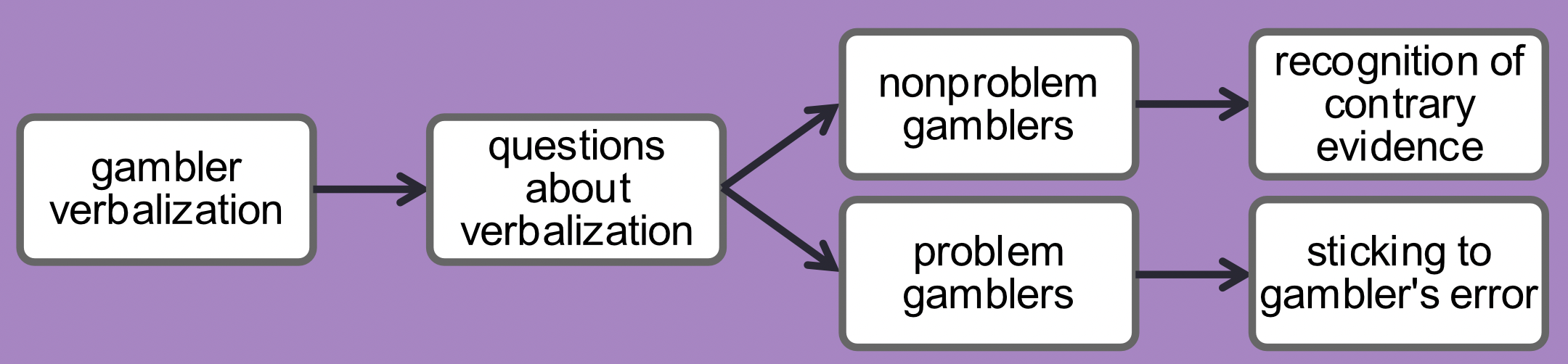
- Probability Error: When we misunderstand how likely something is to happen—often by a lot
- Gambler's Error: A specific kind of probability error where we wrongly think that past random events can influence future ones (e.g., "I've lost five times, so I must win next")
Self-Serving Biases (Part 1)
We all have mental habits that protect our ego, but they can distort our thinking. These include:
- Believing we are more in control of outcomes than we actually are
- Overrating ourselves compared to others
- Highlighting our strengths and downplaying our flaws
Self-Serving Biases: Outsized Sense of Control
- Thinking we're fully in control can lead us to poor decisions and unrealistic expectations
- Overestimating our control can work against our own best interests—especially when facing difficult situations
- Believing we're in control of situations where we actually have no control can cause unnecessary guilt and may even lead to trauma, like posttraumatic stress
Self-Serving Biases: Overestimation
- Many people believe they are better than average at things like getting along with others—even when this can't be true for everyone
- The Lake Wobegon Effect: A term used in psychology to describe how we often overestimate our abilities
Self-Serving Biases: It Was the Awesome Me
Most of us take credit when things go well but blame others or outside factors when things go badly
Examples:
- Many college students say they got an "A" because they're smart, but blame poor grades on the teacher or other problems
- In one workplace survey:
- 89% said they were treated rudely or unfairly
- 99% said they were never rude or caused conflict
Cognitive Dissonance: When there's a gap between how we see ourselves and how we really act, it feels uncomfortable. This is called cognitive dissonance. To feel better, we blame others or deny our own role in the problem.
Self-Fulfilling Prophecy
Occurs when our exaggerated or distorted expectations reinforce actions that actually bring about the expected event
Examples:
- Bank Failure (1930s): Bank failure rumors → Panicked public's withdrawal of bank accounts → Banks crashed
- Academic Performance: Instructor's low expectations of the star athlete's academic performance → Fewer questions asked toward the star athlete → Lower class participation of the star athlete
Note: To preserve our expectations, we may interpret ambiguous data in ways that meet our expectations.
Key Quote: "Our brains often distort how we see, remember, or judge things—without us realizing it. These mental shortcuts shape how we interpret the world."
4. Social Errors & Biases
How do social expectations shape the way we interpret the world around us?
Social Errors & Biases Overview
- Humans are deeply shaped by social groups
- What others expect from us—and what we expect from them—can strongly influence how we see the world
- Because of this, we often see things differently in groups than we would alone
- Groups can shape not only how we gather evidence, but also how we explain or believe it
One of Us/One of Them Error
Our minds tend to sort people into two categories: those who are like us and those who are not
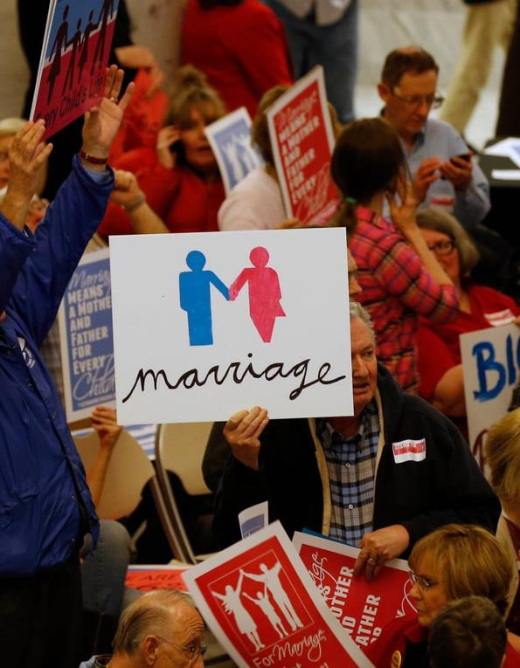
This error shows up when:
- We treat people differently based on sex, religion, politics, or nationality
- We add labels that signal someone is not like us
- We make unfair judgments without realizing it
- Our opinions become more extreme because we only listen to people who agree with us
Social Expectations
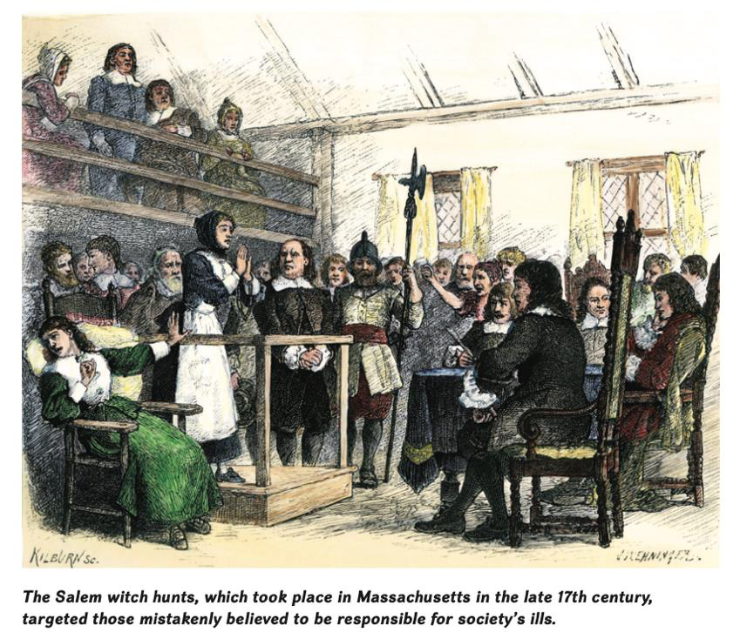
Social expectations can be so powerful that they may lead to collective delusions
Examples:
- Tillinghast hoax
- Salem witch hunts
- Stereotyping
Group Pressure & Conformity (Part 1)
- Group pressure can influence individual members to take positions that they would never support by themselves
- Group pressure is so powerful in shaping how we see the world that it can lead people to deny contrary evidence that is right before their eyes
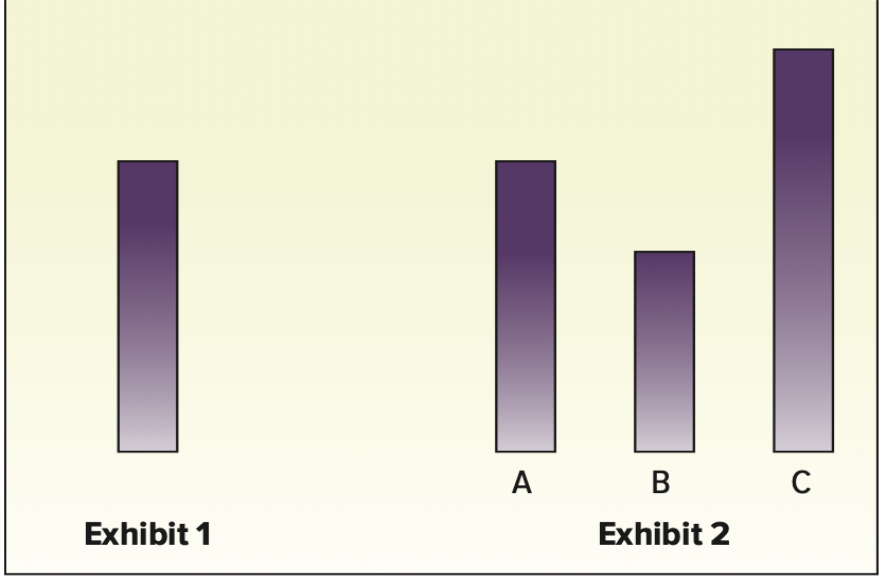
Asch Experiment
- In Asch's experiment the six confederate subjects all gave the same wrong answer when asked which line in Exhibit 2 matched the line in Exhibit 1
- After hearing their answers 75% of the naïve subjects also gave the same wrong answer
Conformity x Us and Them
- We naturally want agreement. But when this mixes with our instinct to divide people into "us" and "them," it can lead to rejecting those who think differently
Agreement vs Truth
- Just because many people agree doesn't mean they're right
- We need to ask how and why the agreement happened
Diffusion of Responsibility
Study Setup:
- Men were put in a building to talk to another male student (actor) via the intercom
- The actor had a seizure and was choking
- Students thought they were the only one in the building with the actor vs students thought there were others in the building
Results:
- Who would help? - The greater the number of bystanders present, the smaller the proportion who help
- How long would it take to help?
- 1 bystander: 85% helped
- 2 bystanders: 62% helped
- 5 bystanders: 31% helped