Memos and Emails
Basic Principles
Key Requirements
- Have a specific purpose
- Know exactly what function you want to achieve
- Be brief but comprehensive
- Write what is necessary to fulfill that function and only that
- Follow conventional format (layout)
- Memos and emails have a similar structure that should be learned
- We will focus more on memos as we have written an email already
Characteristics
Essential Elements
- Concise language
- Do not use extra / unnecessary words
- บางครั้งก็อาจจะมีการใช้ Extra word บ้าง เช่น please อะไรแบบนี้
- เมื่อเรา push someone under the pressure เป็นต้น ก็สามารถใช้ได้
- Accuracy and completeness
- Cover all details and make sure your facts are exactly correct
- Specific structure and format
- Follow the structure given
- Logical organization
- Standard English usage
- Appropriate tone (polite / friendly etc)
General Format
Formatting Memos and Emails
These elements usually appear at the top of memos/emails (most memos are in email format):
- TO: First Name, Last Name, Job Title (if applicable)
- FROM: First Name, Last Name, Job Title (if applicable)
- DATE: Month, Day, Year (for paper memos only)
- SUBJECT: Capitalize the First Letter of Main Words
- Use brief noun phrases instead of complete sentences
- DO NOT include a full stop
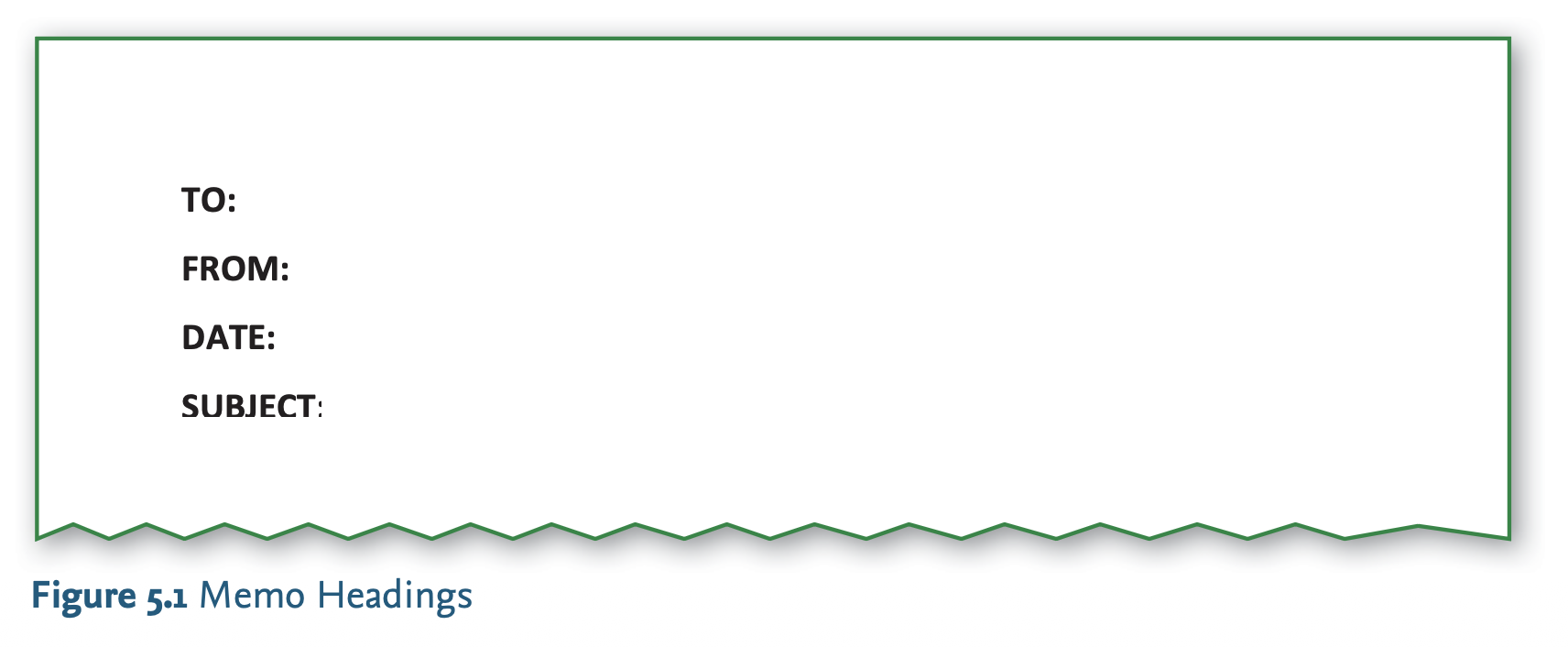
Example Header
- TO: All Students
- FROM: Marissa McIntyre, Volunteer Club Chair
- DATE: January 3rd, 2024
- SUBJECT: Blood Donations Requested
- Here; something short, not a sentence!!!
Exercise 1: Fix Subject Lines
Fix the subjects so they are noun phrases not sentences:
- Subject: We have a new dress code for the company
- New Company’s Dress Code
- Subject: There have been some changes in our health insurance policy
- Changes in Health Insurance Policy
- Subject: Please make sure to park your car in the appropriate space
- Car Parking Notice
- Subject: We are giving all employees extra holiday leave
- Extra Holiday Leave for Employee
- Subject: We need volunteers to organize social activities
- Volunteer NEEDED
- Subject: Unfortunately, we will need to make some of you redundant
- **WARNING: **
Redundant notice→ Redundancy Notice
Greetings
Greetings in Memos
- Memos do not have an opening or closing greeting
Greetings in E-mails
- Emails have greetings
- They depend on your relationship with the audience and the situation (level of formality)
- Examples:
- Hi Baranby,
- Hello Kritsakorn,
- Dear Prof. Rushdie,
Paragraph Formatting
- DO NOT indent paragraphs like this:
- Instead, leave a space between paragraphs like this
Audience
#FinalExam อาจจะไปอยู่เป็น Mutiple choice
Audience for Memos
- Readers of memos are inside the writer's organization, an internal audience
Audience for E-mails
- The reader may be inside or outside the reader's organization
- The reader may know a lot—or nothing—about the writer
Memo เอาไว้คุยเฉพาะ Internal เท่านั้น แต่ Email จะ Internal หรือ External ก็ได้
Purpose
- Memos and emails have a specific purpose
- Writers must keep that purpose in mind when composing the message, especially as their structure tends to vary according to their function
- Two types of messages we will deal with today:
- Informative, neutral and good news messages
- Bad news messages
Specific Format I: Good News/Neutral Messages
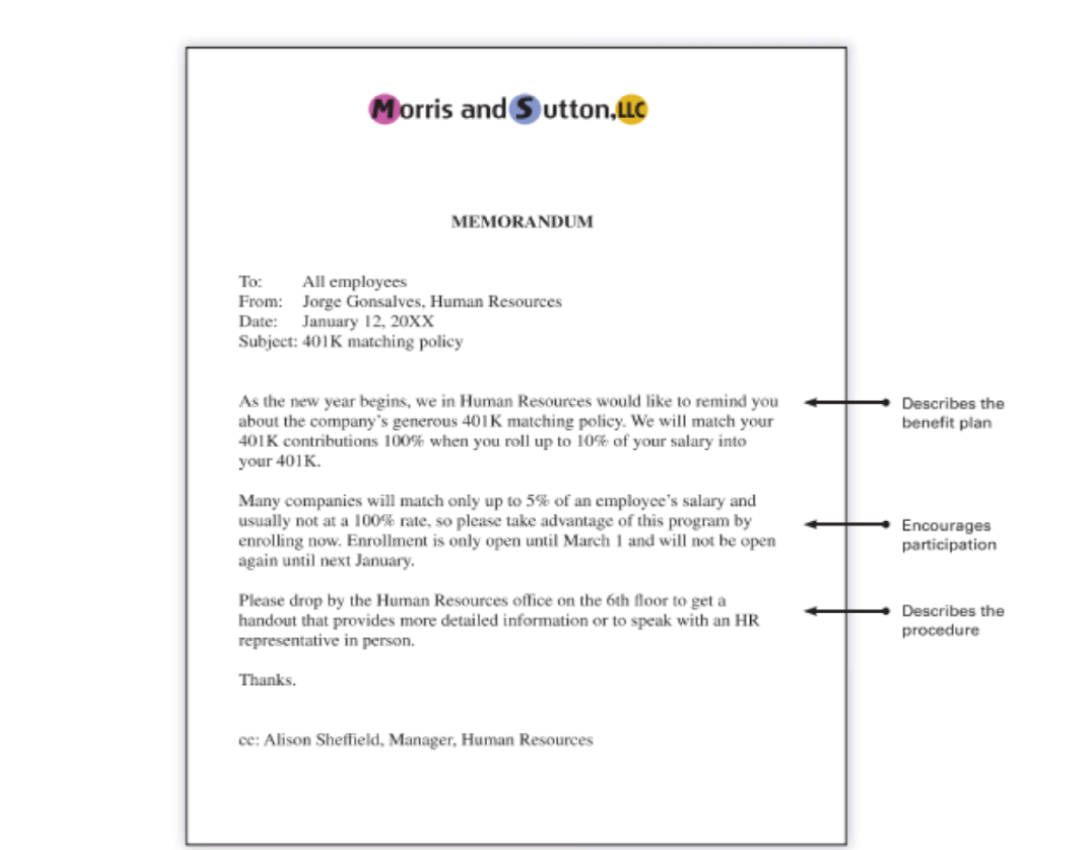
Structure for Informative/Neutral or Good News Memos/Emails
(Primary Structure in Bold + To/From/Date (for memos)/Subject line)
Introduction – Main Idea
- Tell the reader WHY you are writing and WHAT you are writing about, briefly
- ก็คือบอก Purpose เป็นหลัก — คือมันจะต่างกับ Bad news นะ
Body – Explanation, Details, Background
- Give more context or background information, detailed instructions etc as necessary
Conclusion – What Next, Maintain Goodwill
- Tell the reader what action will happen next and/or what you want them to do next
- Be friendly to show appreciation and maintain goodwill
Exercise 2: Write a Good News Memo
Requirements:
- Choose one appropriate subject from the previous exercise
- Include to/from/date and subject line
- Remember basic body formatting rules
- Include an introduction, body and conclusion
- Make sure your purpose is clear
- Use clear and concise language
- Your level of formality should match your recipient and the context
- Follow the NEUTRAL/GOOD NEWS format using the example given
- You have thirty minutes
- I will then give feedback
Specific Format II: Bad News Messages
Bad News Messages (Sandwich Structure)
Introduction - Buffer (positive)
- Open with a positive statement, or buffer, generally some idea about which the writer and reader agree
Body – Main Idea (negative)
- Next, clearly announce the bad news
- Place the details of it in the middle or at the end of the section (introduce it carefully)
Conclusion – Maintain Goodwill (positive)
- Close on a pleasant note by offering an alternative solution or a different perspective, making a constructive suggestion, or looking positively to the future
Exercise 3: Write a Bad News Memo
Requirements:
- Choose one appropriate subject from the previous exercise
- Include to/from/date and subject line
- Remember basic body formatting rules
- Include an introduction, body and conclusion
- Make sure your purpose is clear
- Use clear and concise language
- Your level of formality should match your recipient and the context
- Follow the BAD NEWS format using the example given
- You have thirty minutes
- I will then give feedback