Goal
- Define technical writing and its importance in the workplace
- Identify the characteristics of technical writing
- Compare and contrast technical writing to other types of writing
What Is Technical Writing?
Importance of Technical Writing
- Q: What is the most important skill you should have to achieve success in your career?
- A: “The ability to communicate effectively is the most important skill you can have…”
Writing is one major channel of communication in business and being good at it offers you major advantages in your career.
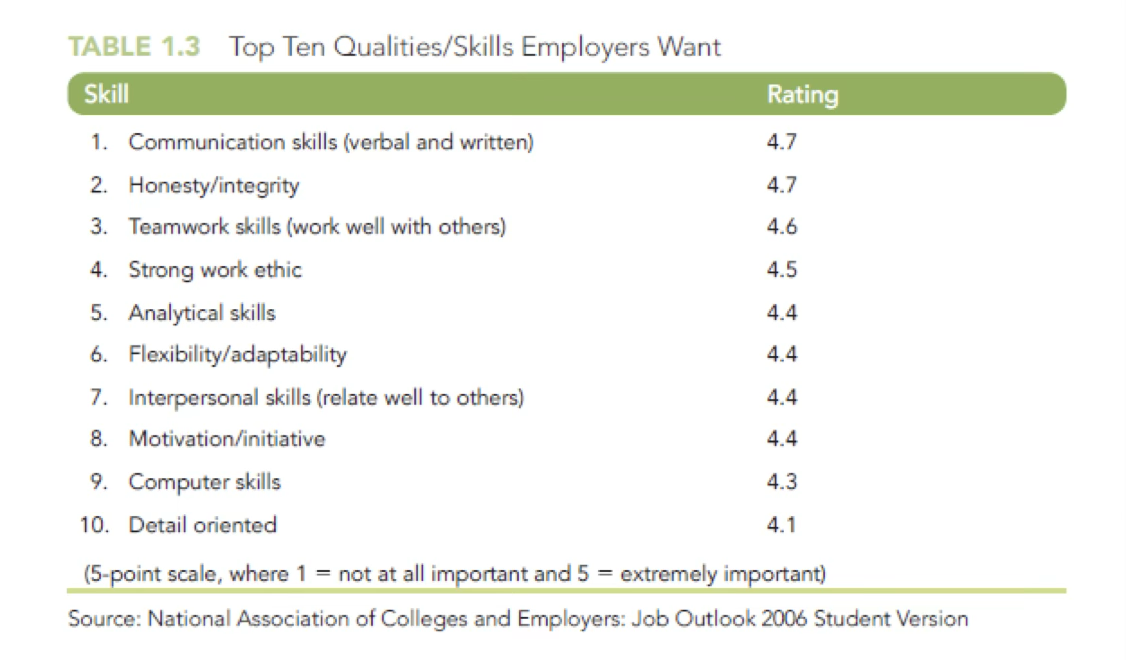
All Careers Rely on Technical Communication
- On average, workers spend more than 20% of their time writing in a technical or business occupation.
- Professionals in engineering and technology careers spend 40% or more of their time writing.
- Clear and effective writing is a crucial skill to learn.
- And employers want people with real skills not those trying to bluff their way through things with AI etc.
Examples of Technical Writing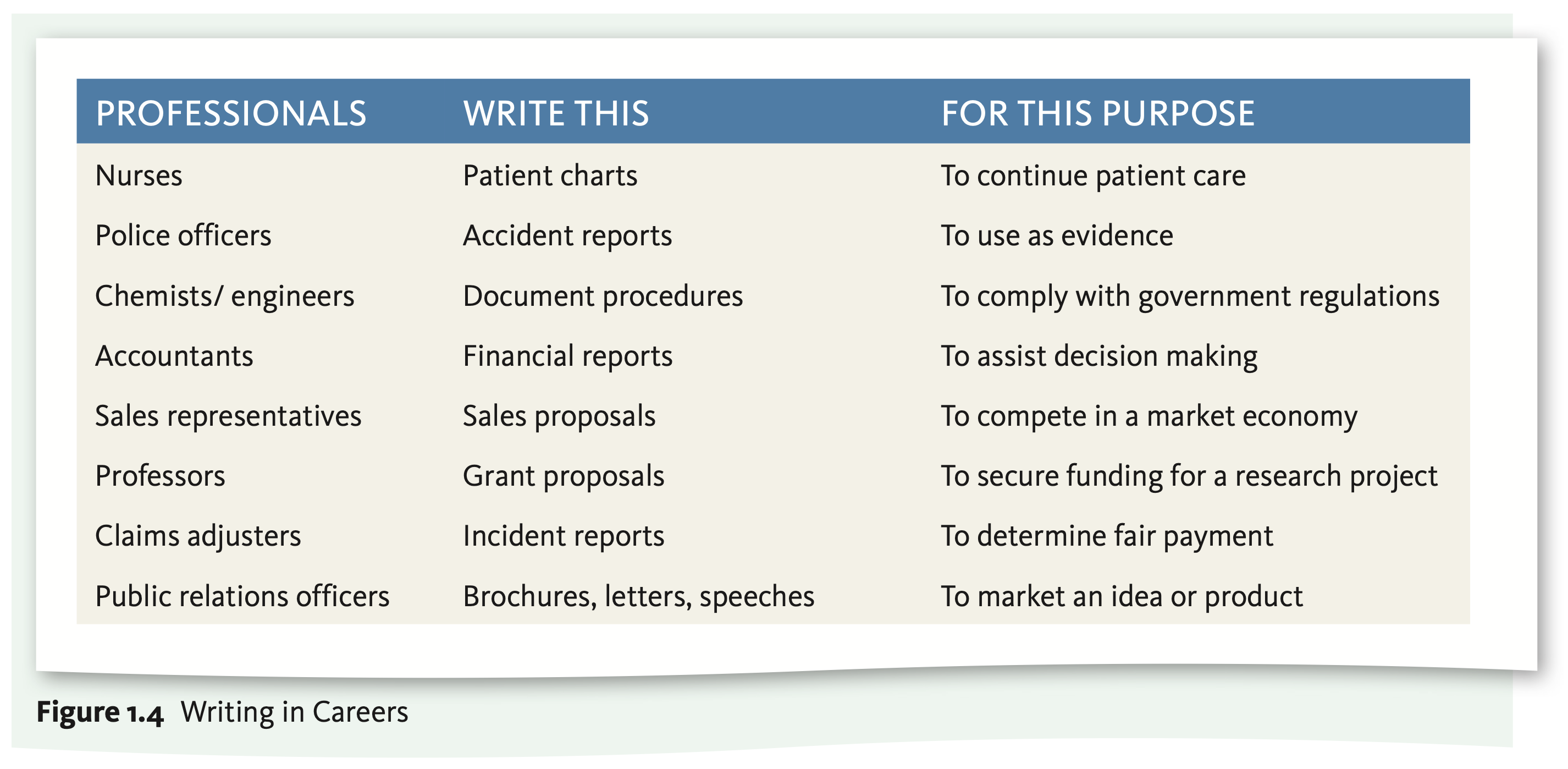
Different Types of Writing
Technical Writing vs. Other Types of Writing
- Imaginative (creative) writing:
- Fiction
- Fantasy
- Poetry
- Ambiguous
- Reader draws inferences
- Read for entertainment
- Expressive writing:
- มันเป็นสิ่งที่ Subjective
- Personal observations
- Feelings
- Personal experience
- Written to express oneself
- Academic writing:
- Analyze
- Explain
- Inform
- Persuade
- Make an argument
- Expand upon an idea (thinking, not DOING)
- Used in academia
- เหมือนจะ Overlap แต่ not quite technical writing
- Technical writing:
- Work-related
- Specific audience
- Specific purpose
- Specific action
- Technical writing is useful and practical.
- It is not only read, but also used.
Definition of Technical Writing
Our textbook gives this definition:
Technical writing writing done in the workplace; the subject is usually technical, written carefully for a specific audience; the organization is predictable and apparent; the style is concise; the tone is objective and businesslike; special features include visual elements
This is a very broad definition and covers a lot of different types of writing, from emails, to reports, to instruction manuals. However, we will go in detail now through some common characteristics that distinguish it.
Characteristics of Technical Writing
Subject
- Technical writing has a technical or factual subject.
- It is expository writing—it explains a subject to the reader or informs the reader about the subject, and also fulfills the special needs of a specific reader.
- In technical writing, the need is often to share information or have someone perform an action.
Audience
- The audience is carefully considered, targeted, identified, and analyzed.
- The audience is never just “anyone” or “everyone” in technical writing.
- We need to know exactly who we are writing to, and why.
Purpose
- The purpose is also very specific.
- The technical writer expects the reader to take a specific action after reading, or to make a specific decision.
- The reader depends on the writing to help them complete their task successfully.
Organization
อันนี้จะอยู่ใน Part Structure ของ Rubric
- The organization is clear, predictable and apparent. Readers can find the important information very quickly.
- Headings help readers quickly scan the entire document so they can choose which parts to read.
- Readers often don’t need to read the entire document from start to finish. Technical documents are often scanned instead of read.
Style
- The style is simple, concise, direct and straightforward.
- Most sentences are short.
- There are no surprises or confusion for the reader. The meaning is clear. It is not ambiguous.
- Technical documents often use jargon, the specialized language of a technical field.
Tone
- Technical documents have an objective, factual, businesslike and detached tone.
- They are not subjective or emotional.
- Technical documents are written to convey information, not to entertain or amuse.
Special Features
- Use special features such as boldface, italics, CAPITAL letters, columns, underlining, and bulleted lists to draw readers’ attention
- Also, the use of graphics such as tables, graphs, pictures, and diagrams helps the audience grasp complex information quickly.
Document Design
- In technical writing, how the words look on the page is just as important as what the words say.
- A cluttered document with poorly designed elements can confuse and overwhelm your reader.
- Pages that are visually friendly help readers stay focused and find information quickly and easily.
Compare Two Types of Writing

- Left: Descriptive, Poem, Personal Experience, Illustration
- Right: Concise, Formal, More technical term (jargon)