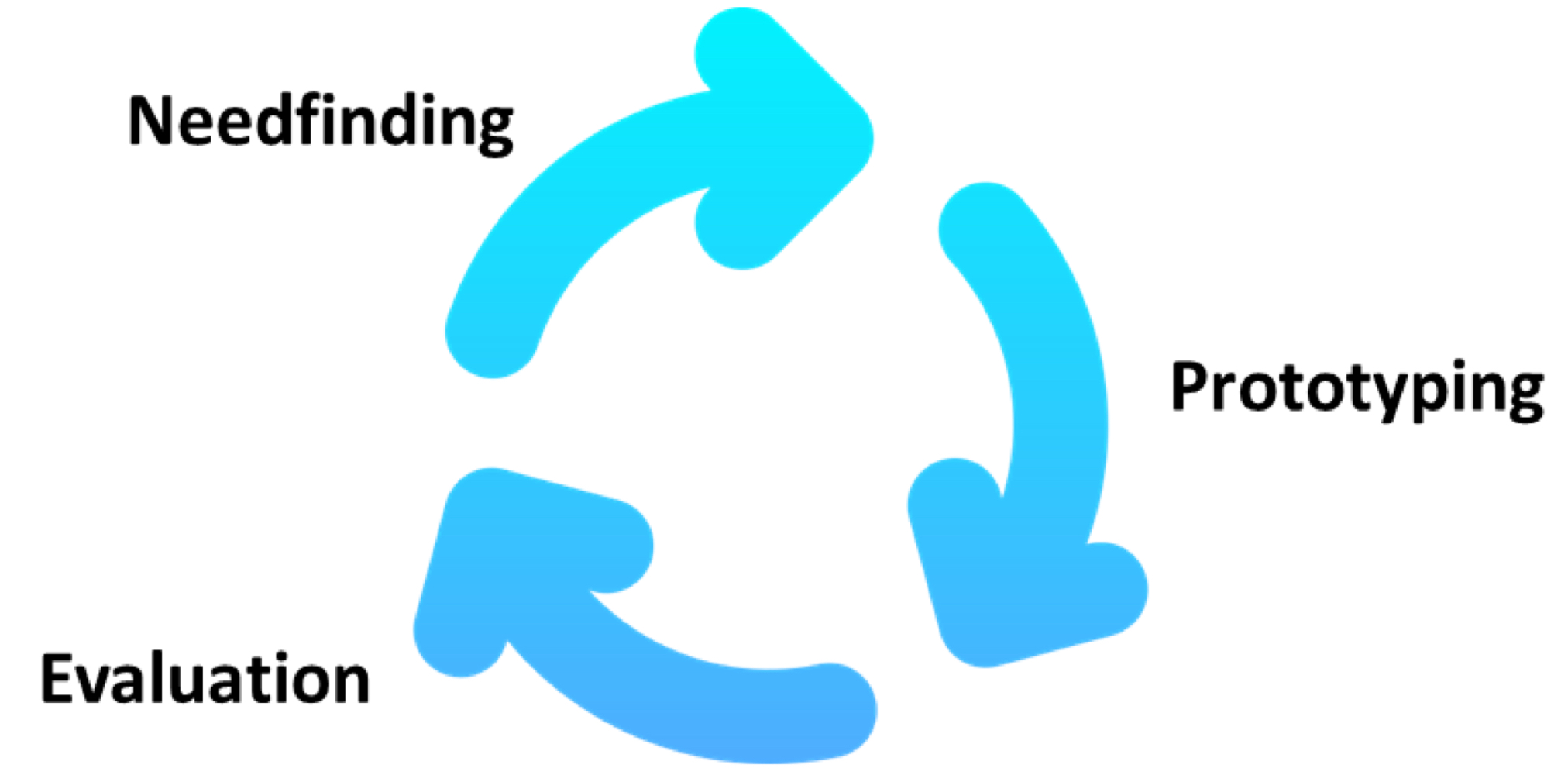
Iteration is key for designing good UIs
Designing with Users in Mind
You Are Not the User
- Users come from different backgrounds—age, gender, culture, education, economic status, and experience.
- It’s easy to assume your needs match theirs, but successful design requires understanding their real challenges.
Empathizing with Users
To create meaningful experiences, focus on three key actions:
- Immerse – Experience users’ environments and tasks firsthand.
- Observe – Watch how they actually interact with systems, not just what they say.
- Engage – Have conversations to uncover their thoughts, emotions, and motivations.
Observation: Learn by Watching
- Real behavior reveals more than words.
- Look for pain points, workarounds, and unexpected struggles.
- Errors are insights—they highlight areas for improvement.
Interviews: Understand the "Why"
- Go beyond surface-level answers; explore users’ thoughts and emotions.
- Use open-ended questions to get deeper insights.
- Allow silence—users may need time to share valuable details.
- Observe body language and ask for examples to clarify points.
Best Practices for Interviews
✔ Prepare key questions in advance.
✔ Stay flexible—follow interesting insights.
✔ If possible, record conversations or take notes with a partner.
By observing, engaging, and empathizing, you design for real people—not just assumptions.