1. Data Communications
Definition
- Telecommunication: Communication at a distance (between two parties ประมาณนั้น)
- Data: Information presented in whatever form agreed upon by parties creating and using it
- Data Communications: Exchange of data between two devices via transmission medium (e.g., wire cable or wireless)
Effective Characteristics of Data Communication
- Delivery: System must deliver data to correct destination (intended receiver)
- Accuracy: System must deliver data accurately (unchanged data)
- Timeliness: System must deliver data in timely manner
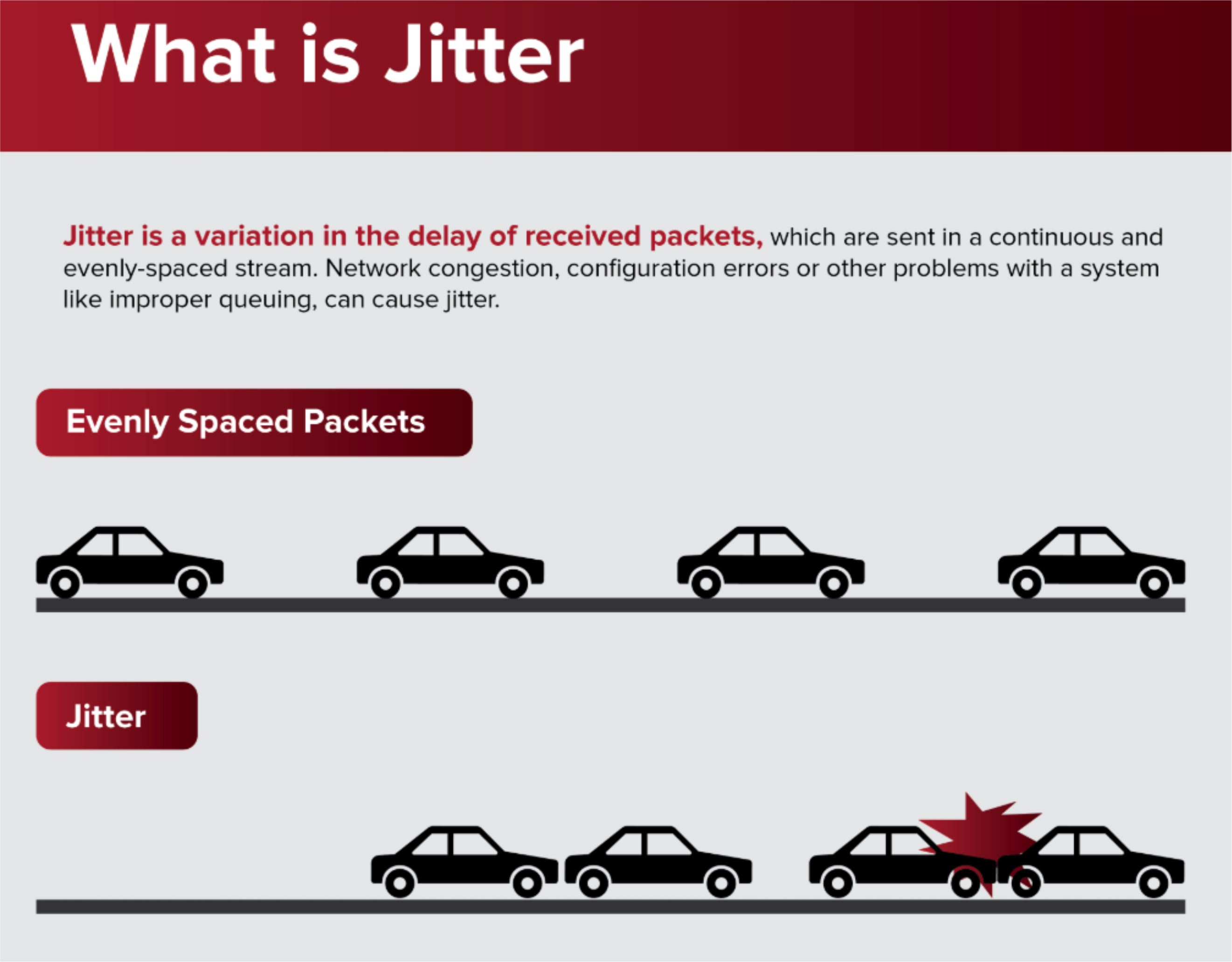
- Jitter: Variation in time delay between signal transmission and reception
- Causes uneven delay in audio/video streaming
- Results from network congestion, configuration errors, improper queuing
Five Components of Data Communication
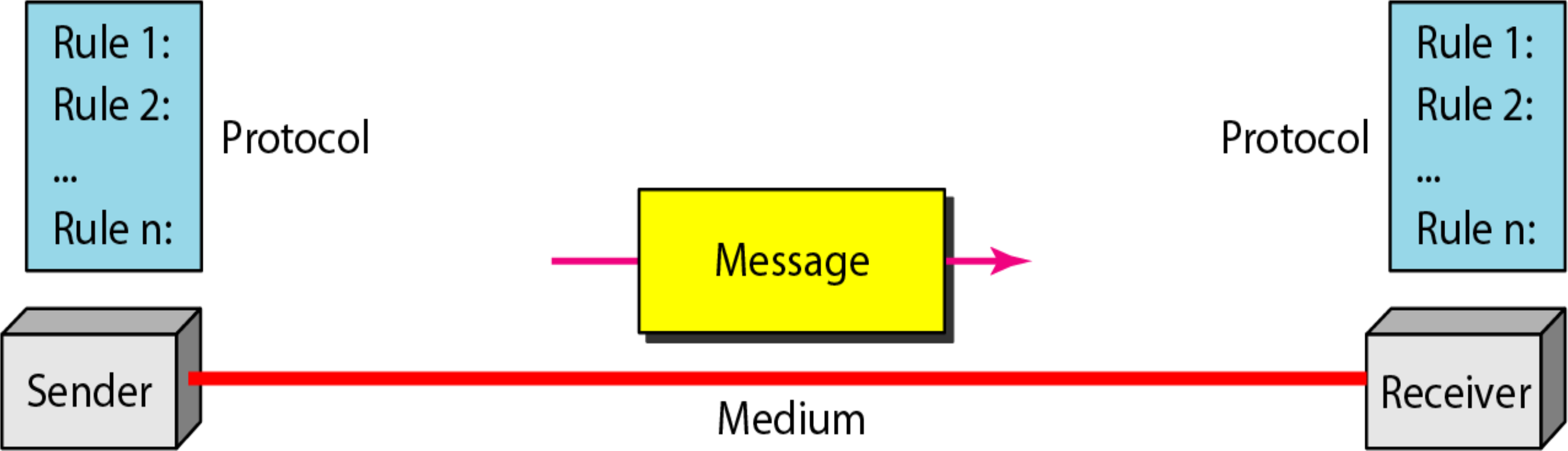
- Sender: Generates data
- Transmitter (Message?): Transforms & encodes data
- Transmission Medium: Carries the signal
- Receiver: Decodes & converts data into acceptable format (e.g., convert analog signal into bit stream)
- Protocol: Set of rules governing communication (all agree to some kind of rule)
Data Flow Types
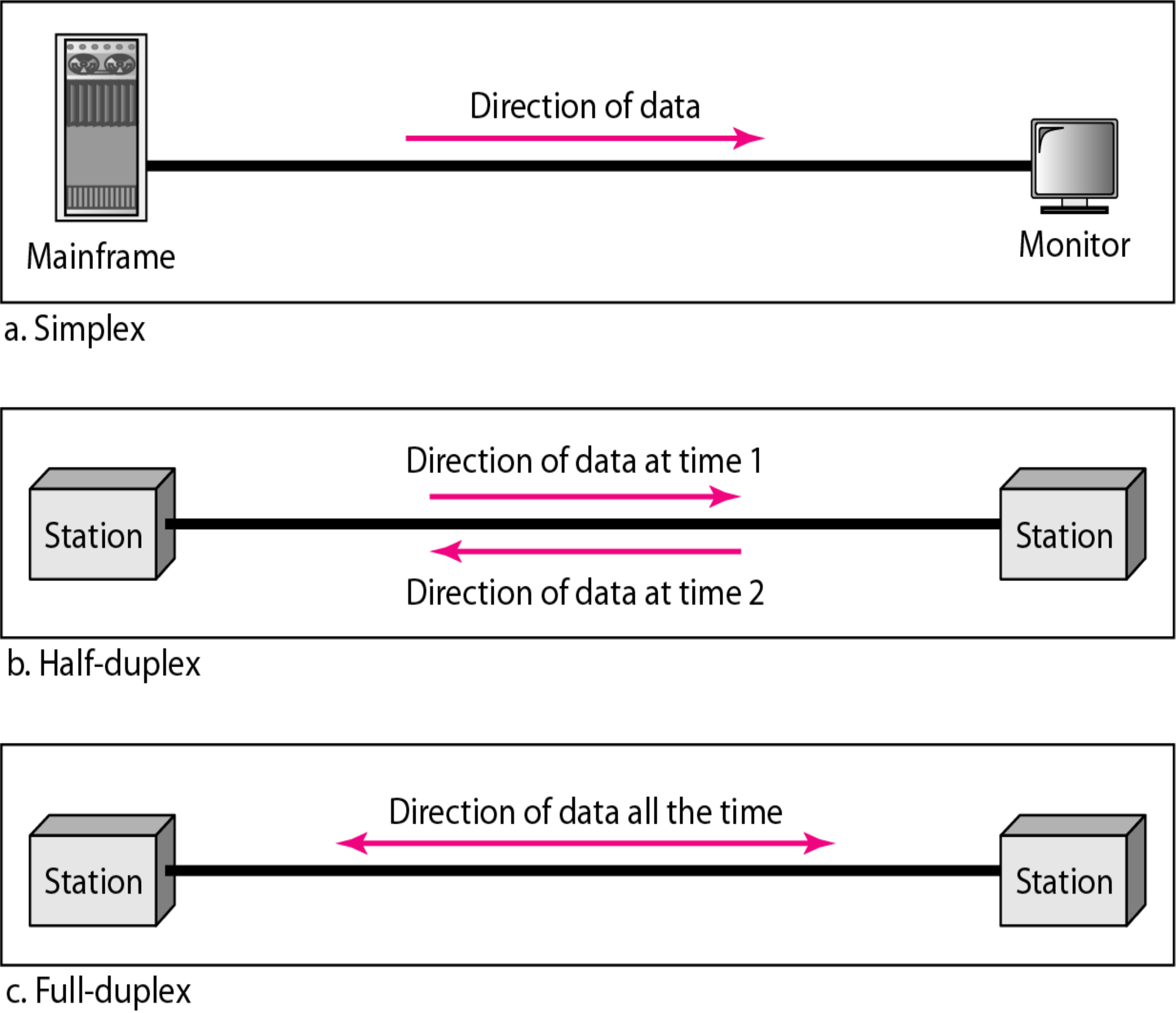
- Simplex: One-way communication (e.g., server to client device)
- Half-duplex: Two-way communication, but not simultaneous (e.g., walkie-talkie)
- Full-duplex: Two-way communication simultaneously (e.g., telephone)
Data Communications Trends
Current Trends
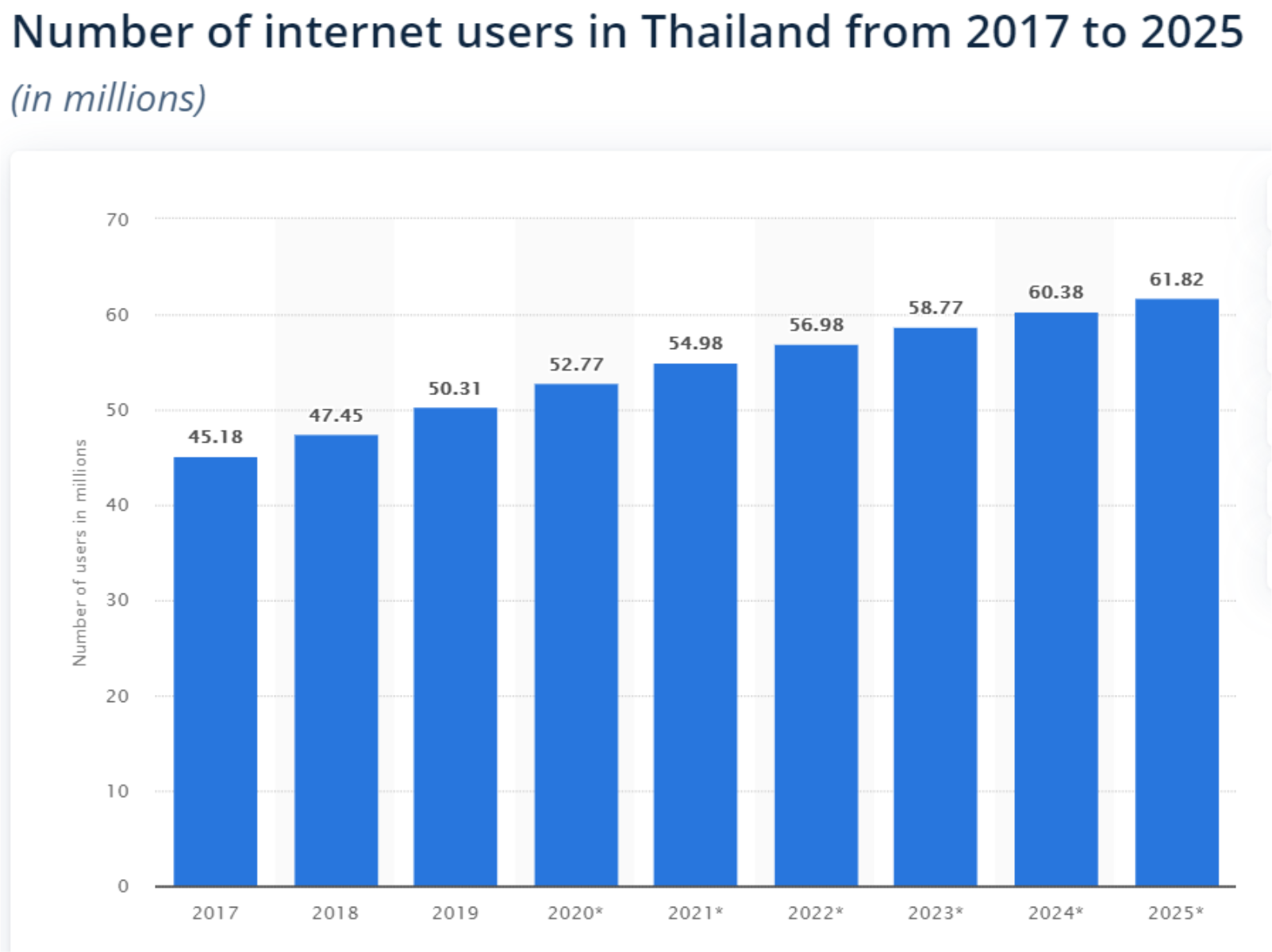
- Traffic Growth: High & steady rate
- New Services Development: Continuous innovation
- Technology Advances: Rapid improvements
- Internet of Things (IoT): Growing connectivity (many devices exchange data together in a network)
- e.g. Smart Home
Significant Changes in Requirements
- High-speed LANs: Emergence and widespread adoption
- Corporate WAN needs: Increasing demands
- Digital electronics: Widespread implementation
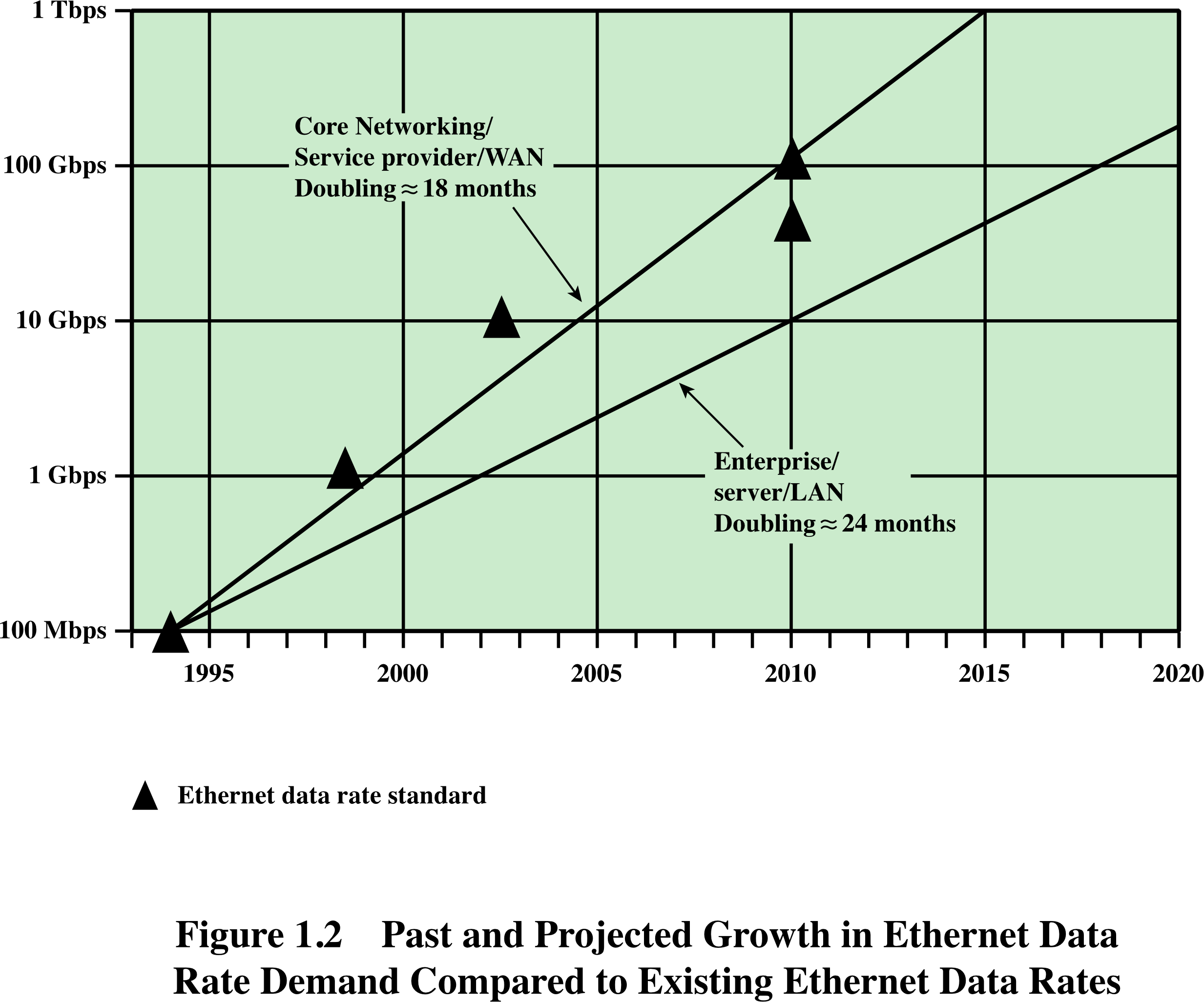
Notable Trends in Technology
- Faster and Cheaper: Both computing and communication improving
- More powerful computers supporting demanding applications
- Optical fiber and high-speed wireless reducing costs, increasing capacity
- Intelligent Networks: More sophisticated capabilities
- Differing levels of Quality of Service (QoS)
- Customizable services in network management and security
- Internet Dominance: Web and associated applications
- "Everything over IP" approach
- Intranets and extranets for proprietary information
- Internet of Things (IoT) expansion
- Mobility Revolution: Mobile device impact
- iPhone, Android, iPad driving business network evolution
- Enterprise applications on mobile devices
- Cloud computing adoption
- Automated vehicles
Changes in Networking Technology
- Emergence of High-Speed Networks: Meeting increased bandwidth demands
- Corporate WAN Needs: Growing requirements for wide area connectivity
- Digital Electronics: Transition from analog to digital systems
Emergence of High-Speed LANs
- Driver: Personal computers and workstations becoming essential office tools
- Two Significant Trends:
- Explosive growth in speed/computing power of personal computers and mobile devices
- LANs recognized as viable and essential computing platform
- Requirements for Higher-Speed LANs:
- Centralized server farms
- Power workgroups
- High-speed local backbone
Corporate Wide Area Networking Needs
- Driving Factors:
- Growing use of telecommuting
- Changed application structure nature
- Intranet computing
- More reliance on personal computers, workstations, and servers
- More data-intensive applications
- Every organization requires Internet access
- More unpredictable traffic patterns
- Rising average traffic load
- More data transported off premises into wide area
Digital Electronics Impact
- Consumer Electronics Conversion: Rapid shift to digital technology
- Network Impact: Dramatic increase in image and video traffic
- Applications: Video live streaming, online meetings, online learning
Key Communications Tasks
Tasks เหล่านี้จะ happen ตอนเรา data communicate
- Transmission system utilization
- Interfacing
- Signal generation
- Synchronization
- Exchange management
- Error detection and correction
- Flow control
- Addressing
- Routing
- Recovery (in case of lost data)
- Message formatting
- Security
- Network management
Communications Model
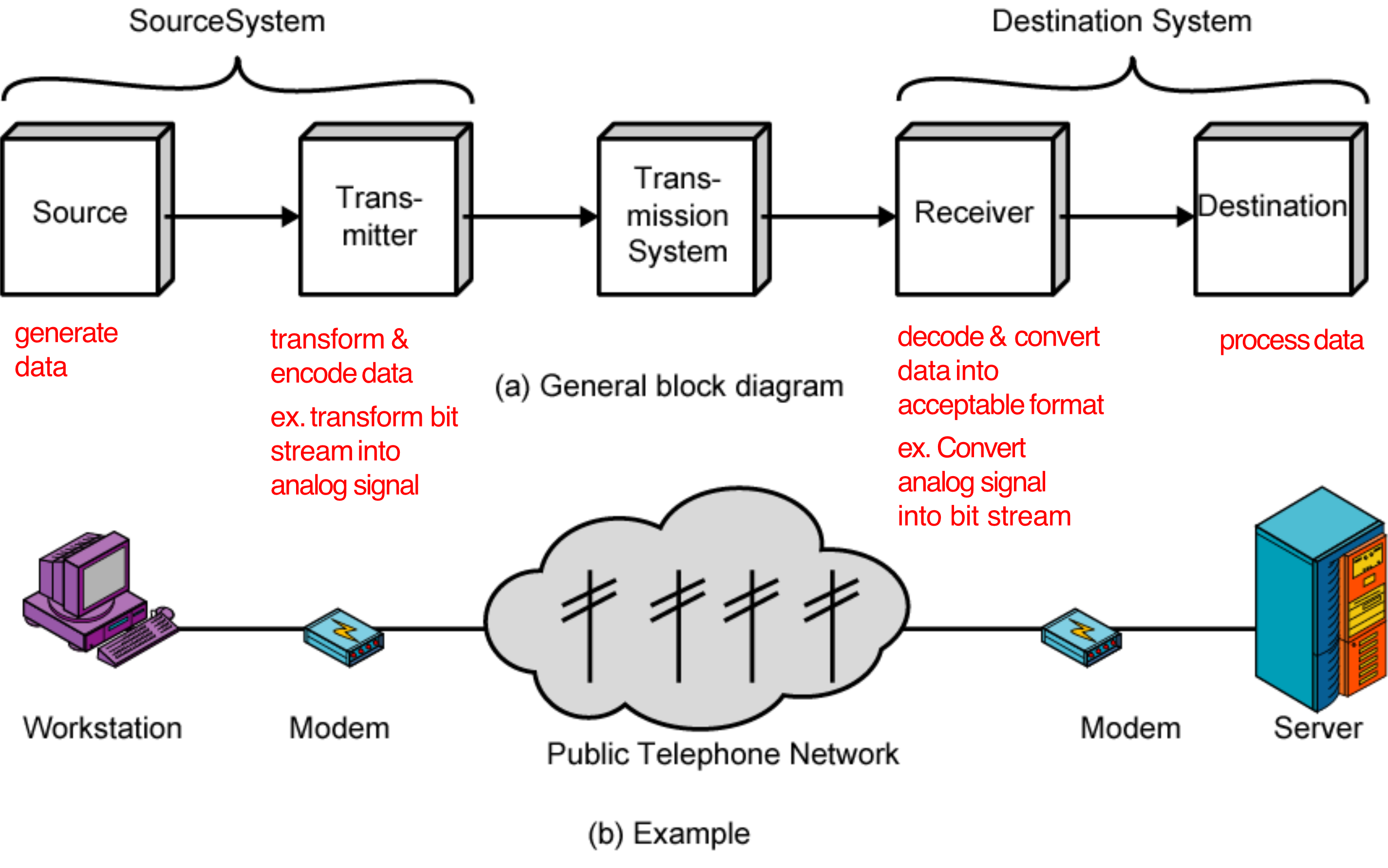
- Source System: Generates and transmits data
- Transmission System: Carries data between source and destination
- Destination System: Receives and processes data
Process Flow
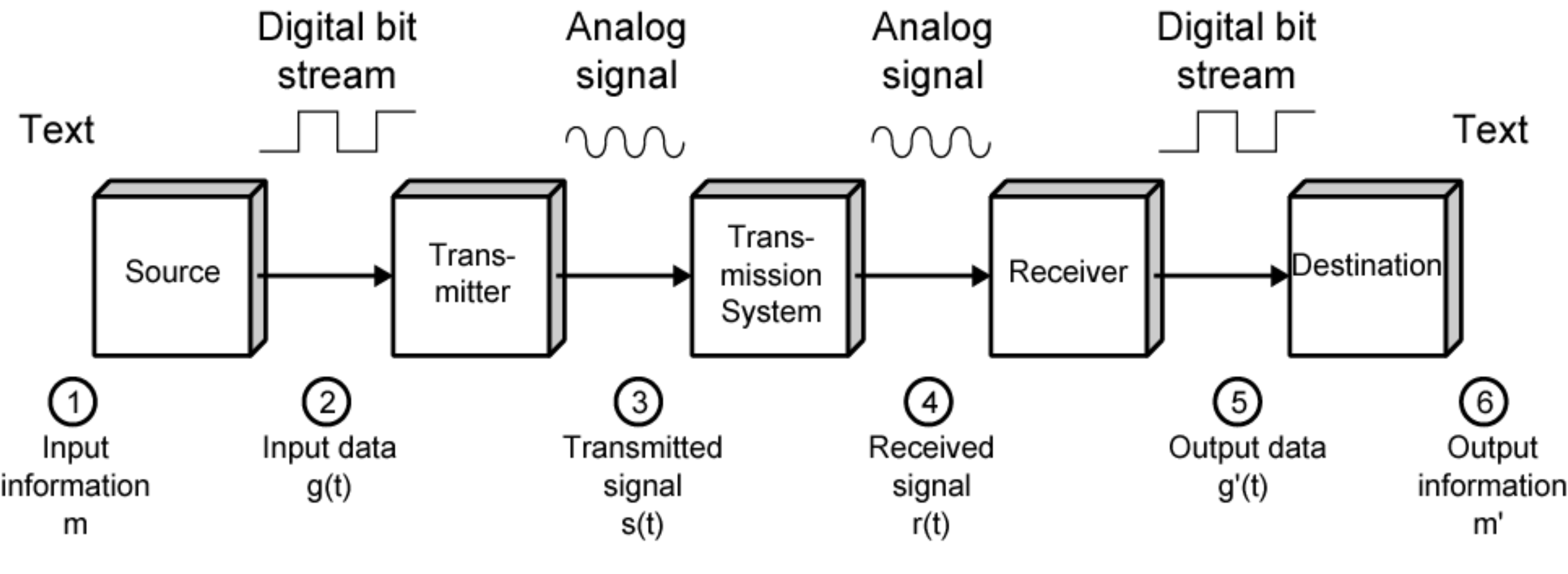
- Input Information (m) → Source generates data — เขียน Email
- Input Data g(t) → Transmitter transforms & encodes (digital bit stream)
- Transmitted Signal s(t) → Analog signal through transmission system
- Received Signal r(t) → Signal received at destination
- Output Data g’(t) → Receiver decodes & converts to acceptable format
- Output Information (m') → Destination processes data
Transmission Medium
- Selection Considerations:
- Internal use: Business choice
- Long-distance: Carrier decisions
- Technology Advances: Fiber optic, wireless
- Cost Factor: Transmission costs still high
- Efficiency Focus: Interest in improvement methods
2. Networks
Network Definition
- Network: Set of devices (nodes) connected by communication links (medium)
- Node: Computer, printer, or any device capable of sending/receiving data
Network Criteria
- Performance Measures: (based on its performances)
- Transit time (device to device)
- Response time (inquiry to response)
- Throughput (number of communications happen in a period of time)
- Delay
- Reliability:
- Duration of functional operation without interruption
- Measure of network robustness against failures
- Security:
- Protection of networking infrastructure from unauthorized access, misuse, or theft
Networking Overview
- Current Scale: Over 20 billion fixed and mobile networked devices
- Growth Drivers:
- Increasing number and power of computers
- Need for interconnection
- Integration of voice, data, image, and video technologies
Network Categories
Wide Area Networks (WAN)
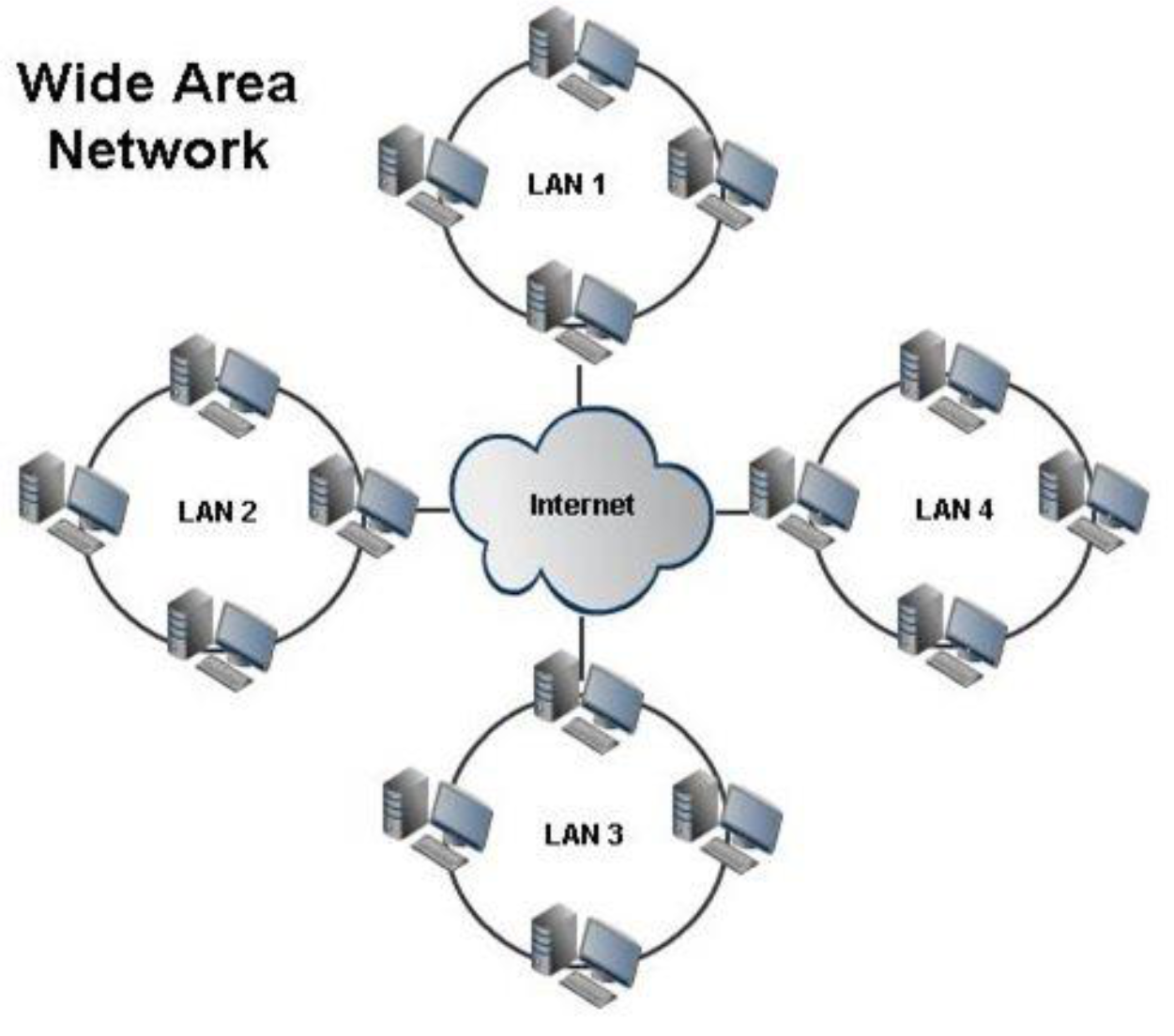
- Coverage: Spans large geographical area (large size)
- Infrastructure: Requires crossing public rights-of-way, relies on common carrier circuits
- Technologies Used:
Circuit Switching
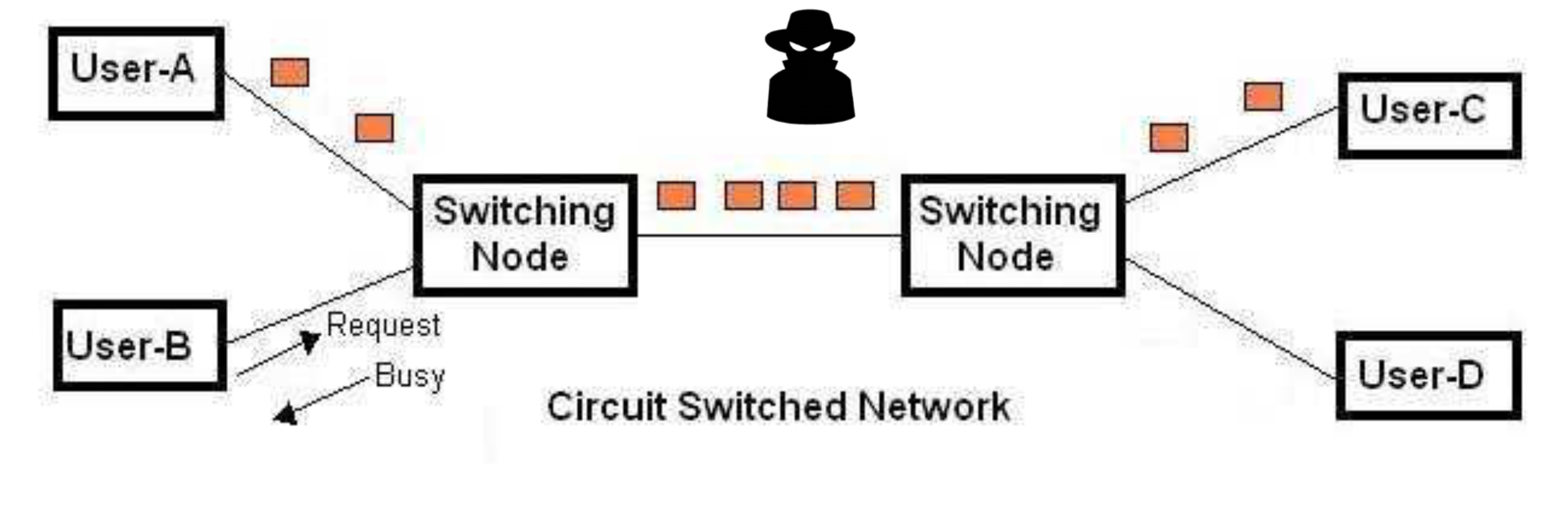
- Method: Uses dedicated communications path for conversation duration
- Characteristics:
- Sequence of physical links with dedicated logical channel
- Example: Telephone network
- Process: Establishes path, maintains connection, releases path
A จะส่งข้อมูลให้ C ต้องจอง Line นั้นก่อนให้มัน Available ถึงจะส่งข้อมูลได้
จะคล้าย ๆ กับเวลาโทรศัพท์ พอรับสายแล้วนั่นคือ Line นั้นถูก established ละ
- Drawback: ถ้า Hacker รู้ channel (once established แล้ว) ก็สามารถขโมยข้อมูลได้เลย
Packet Switching
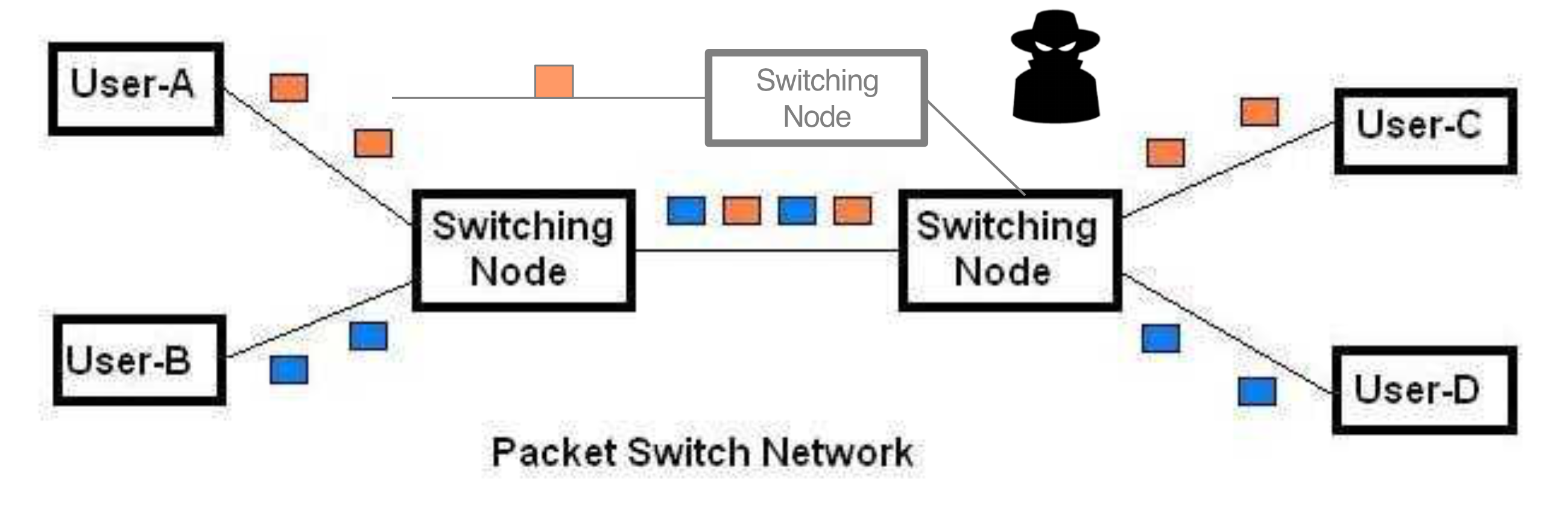
- Method: Data sent in sequence of small chunks (packets)
- Process: Packets passed from node to node between source and destination
- Usage: Terminal-to-computer and computer-to-computer communications
A → C, B → D ไม่ต้องรอให้ ฝ่ายไหนฝ่ายนึงเสร็จก่อนเลย
- More difficult to steal data, because data will go everywhere
- Even if someone grabs one packet, it’s just a fragment, they can’t read the whole message easily.
Circuit Switching vs Packet Switching Comparison
| Feature | Circuit Switching | Packet Switching |
|---|---|---|
| Physical Path | Between source and destination | No physical path |
| Packet Routing | All packets use same path | Packets travel independently |
| Bandwidth | Reserve entire bandwidth in advance | Does not reserve |
| Bandwidth Usage | Bandwidth wastage possible | No bandwidth wastage |
| Transmission | No store and forward (No buffer at source/destination, you can send data right away) | Supports store and forward (Bandwidth is limited, required some buffer at a switching node) |
Frame Relay
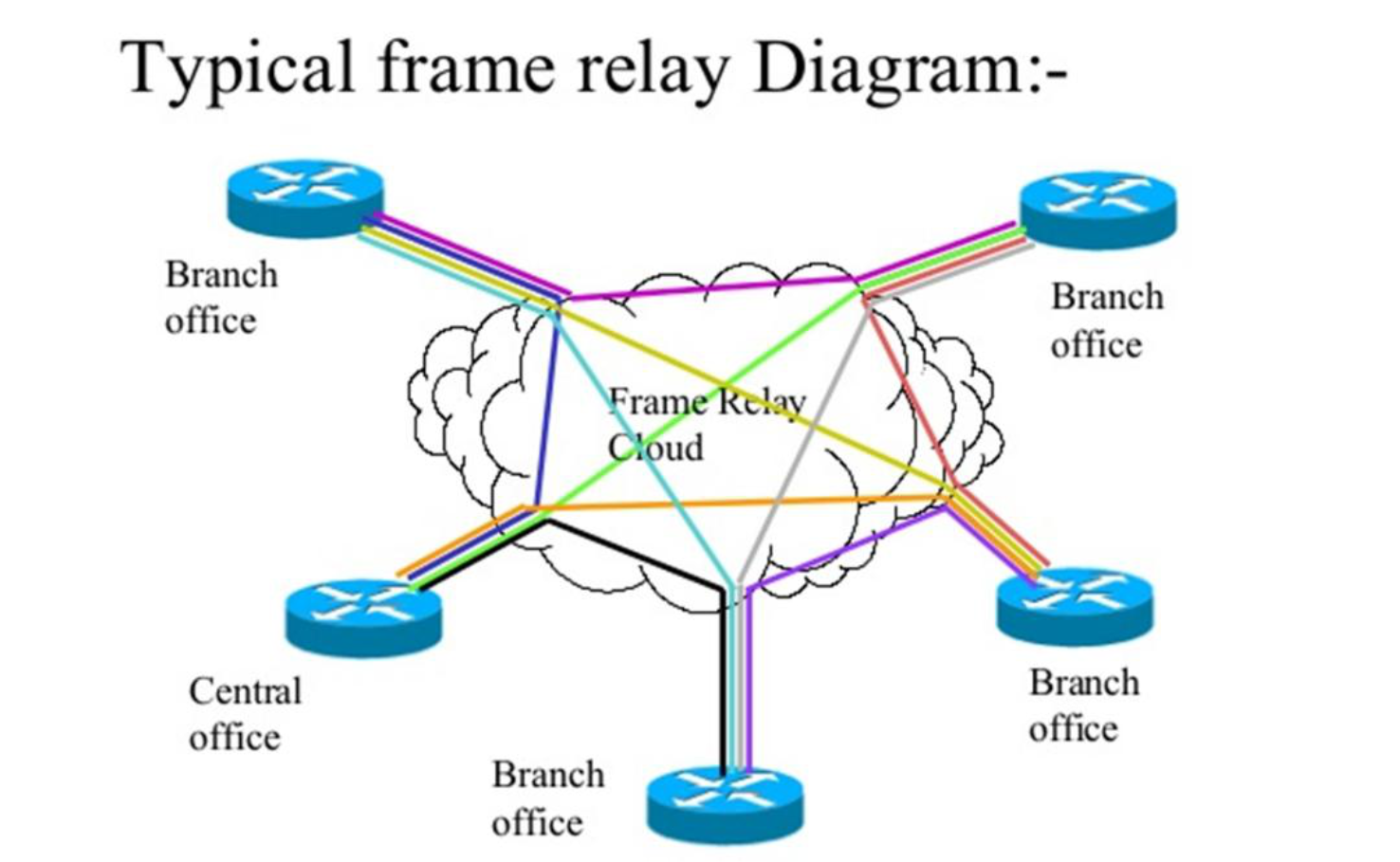
- Evolution: Advanced packet switching system
- Advantage: Large overheads removed for error compensation
- Rationale: Modern systems more reliable, errors caught at end system
- Benefit: Higher speeds with reduced error control overhead
- Method: Packet switching methodology on virtual circuit (virtual circuit packet switching implementation)
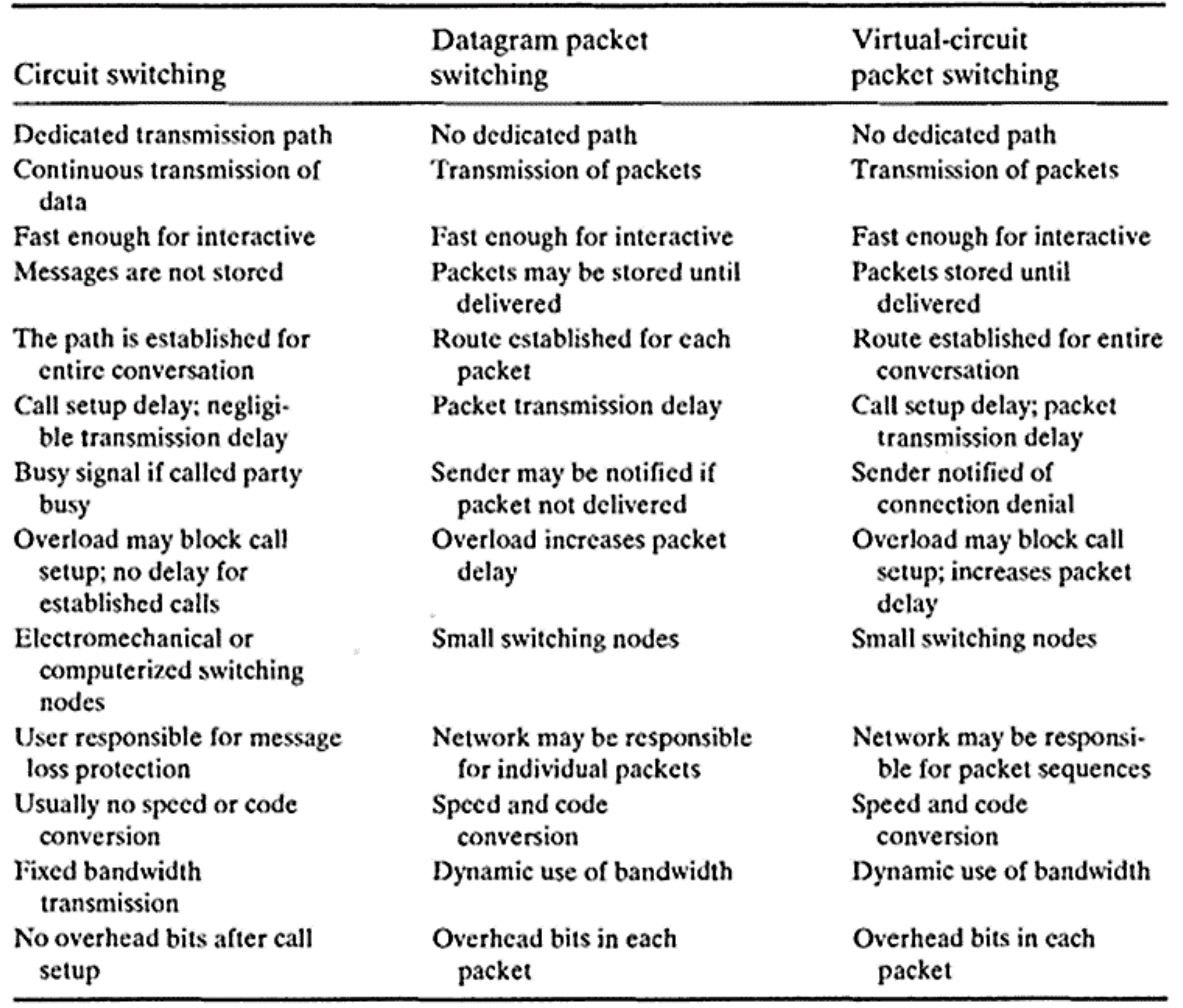
-
Overhead เหมือนเป็นการจั่วซองจดหมายอะ (route, destination) อย่างของ Circuit switching, มัน establish เส้นนั้นแล้วก็ไม่ต้องบอกละว่าส่งให้ใคร
-
Circuit Switching = ขบวนเสด็จ
ปิดถนนทั้งเส้นให้ A → B ใช้คนเดียว ต้องรอจนกว่าจะเสร็จก่อนคนอื่นถึงจะได้ใช้
-
Packet Switching = รถหลายคันวิ่งบนถนน
รถของใครมาก่อนก็ใช้ได้ก่อน วิ่งคนละเลน คนละเส้นทาง ไม่ต้องรอกัน ขอแค่ถนนว่าง
-
Frame Relay = จองเลนไว้ล่วงหน้า
เหมือน A ↔ B ขอจองเลนหนึ่งไว้เฉพาะตัวเอง รถยังวิ่งแยกกันเป็นคัน ๆ
แต่มีการจองทรัพยากรบางส่วน
Asynchronous Transfer Mode (ATM)
- เป็นแค่สิธีก่รในการส่ง days
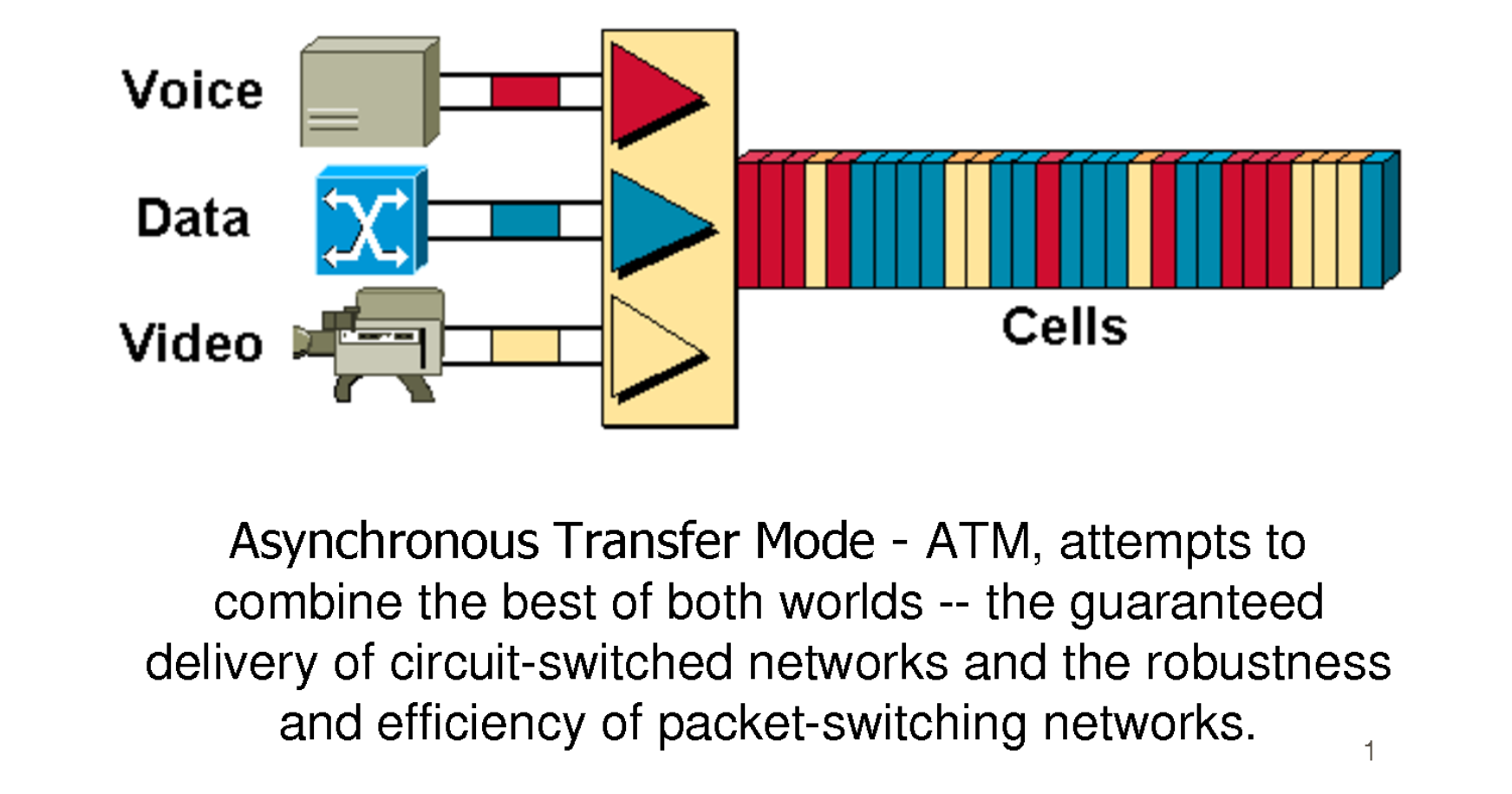
- Evolution: Development of frame relay
- Packet Type: Fixed-length packets called "cells"
- Error Control: Even less overhead than Frame Relay
- Speed Range: 10s and 100s of Mbps to Gbps range
- Method: Constant data rate using packet switching with multiple virtual circuits
- Goal: Combine best of both worlds - guaranteed delivery of circuit-switched networks and robustness/efficiency of packet-switching networks
Local Area Networks (LAN)
- Scope: Smaller area (building or small campus)
- Ownership: Usually owned by same organization as attached devices
- Performance: Much higher data rates
- Types:
- Switched LANs (e.g., Ethernet)
- Wireless LANs
Metropolitan Area Networks (MAN)
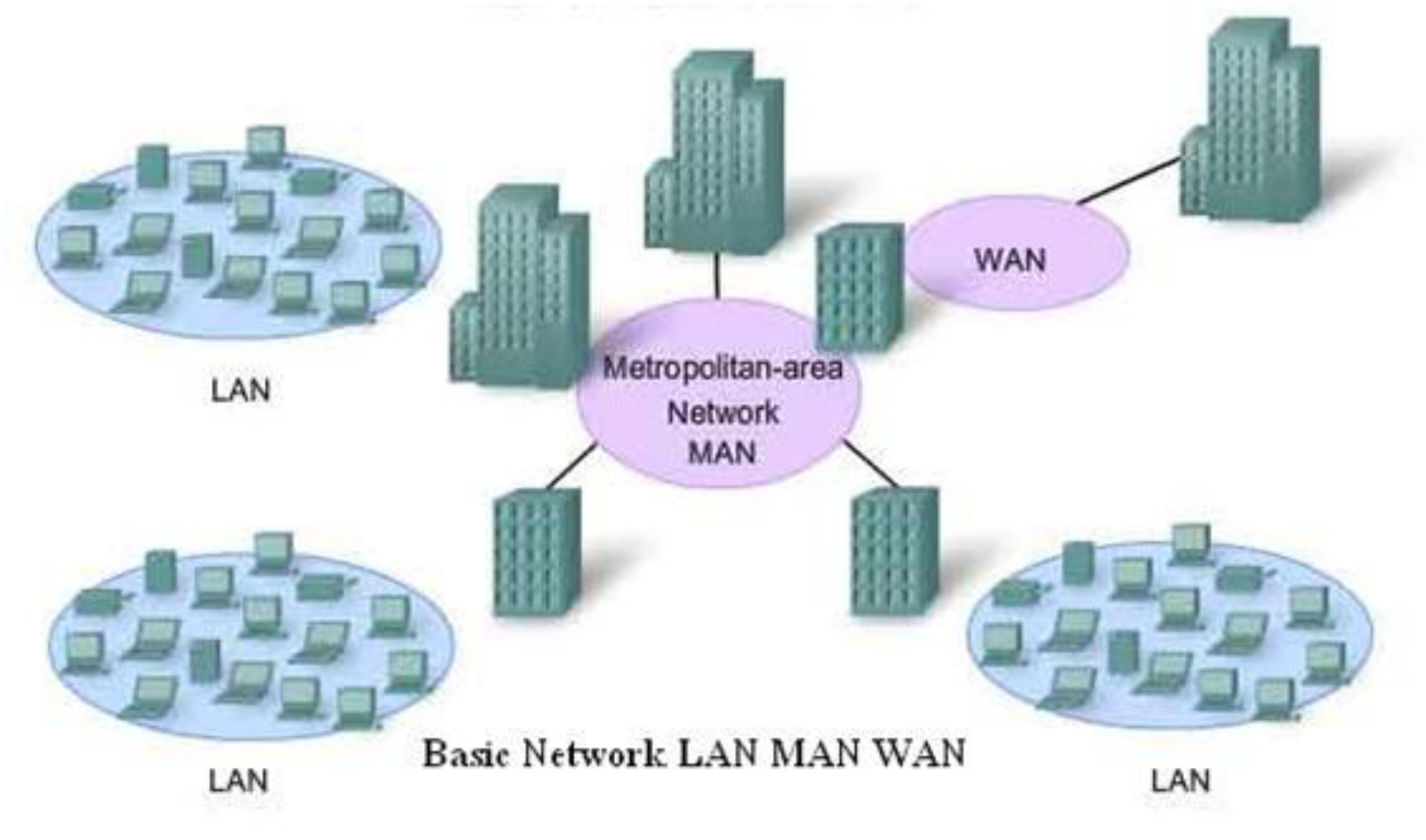
- Position: Middle ground between LAN and WAN
- Ownership: Private or public network
- Characteristics: High speed, large area coverage
The Internet
Historical Background
- Origin: Evolved from ARPANET (1969)
- Developer: Advanced Research Projects Agency (ARPA), U.S. Department of Defense
- Significance: First operational packet network
- Extensions: Applied to tactical radio & satellite networks
- Standardization: Need for interoperability led to TCP/IP protocols
Internet Elements
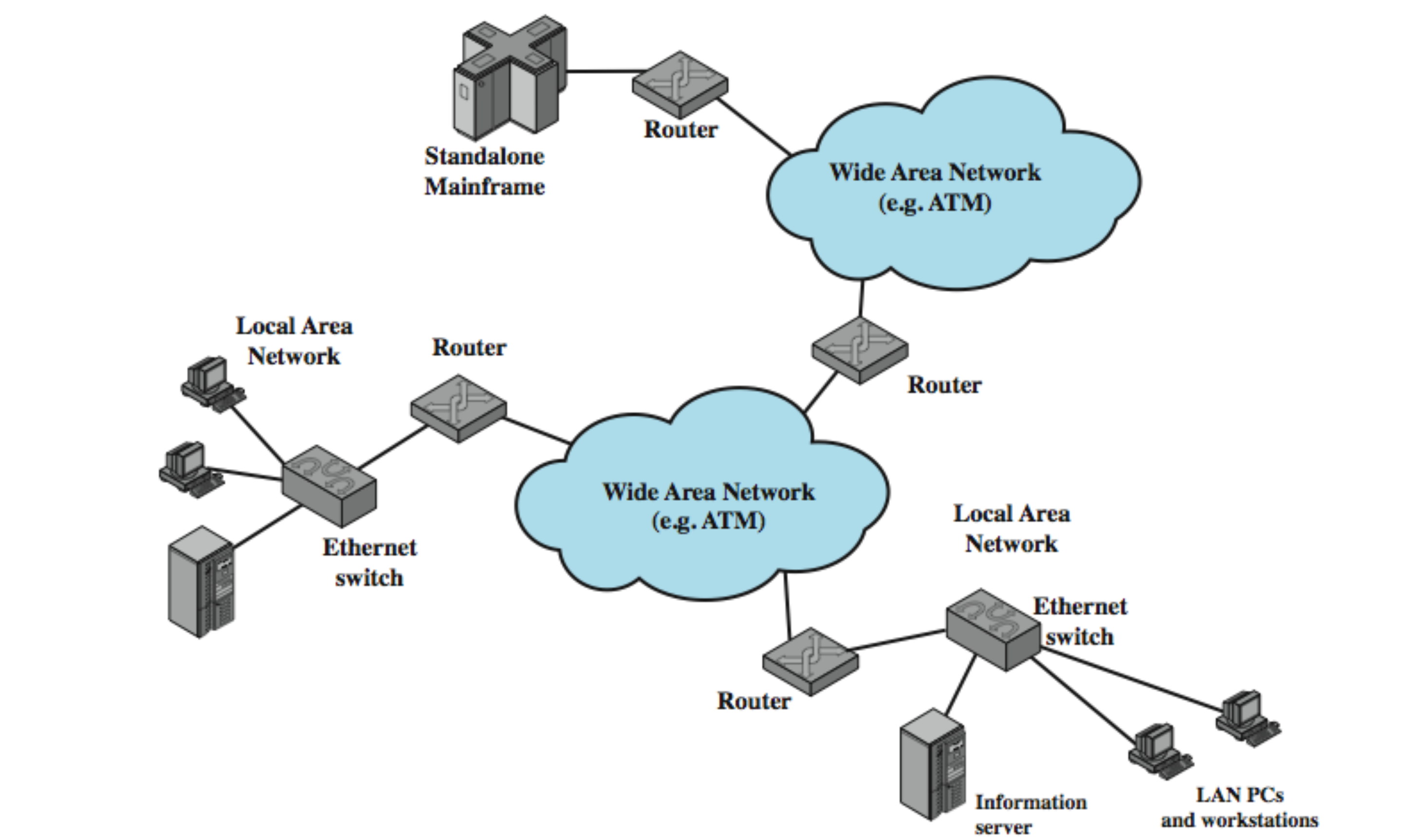
- Components:
- Standalone mainframes
- Local Area Networks
- Wide Area Networks (e.g., ATM)
- Routers
- Ethernet switches
- Information servers
- LAN PCs and workstations
Internet Architecture
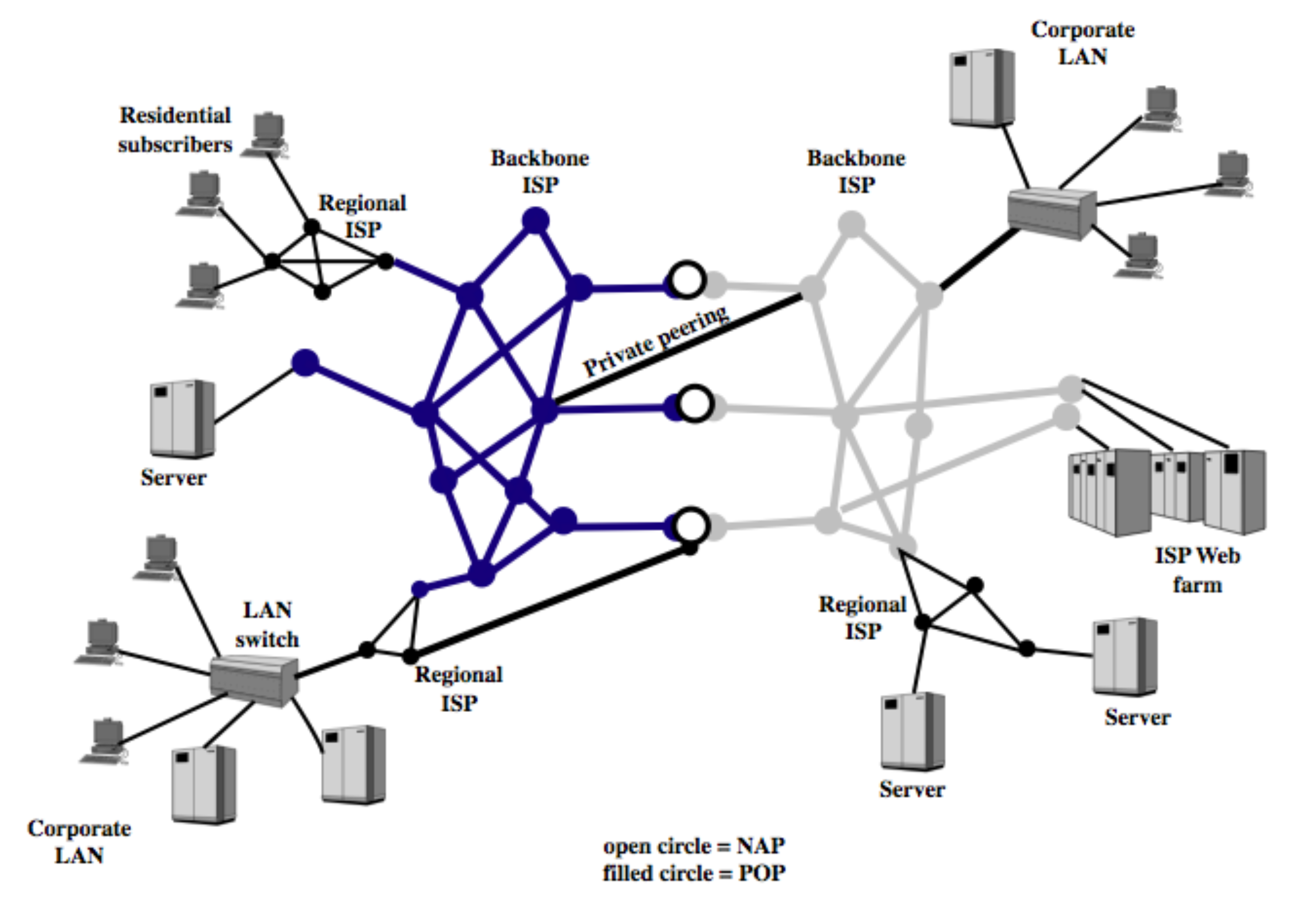
- Structure: Hierarchical system of Internet Service Providers (ISPs)
- Components:
- Residential subscribers
- Regional ISPs
- Backbone ISPs
- Corporate LANs
- Private peering connections
- Network Access Points (NAP)
- Points of Presence (POP)
Example Configuration Elements
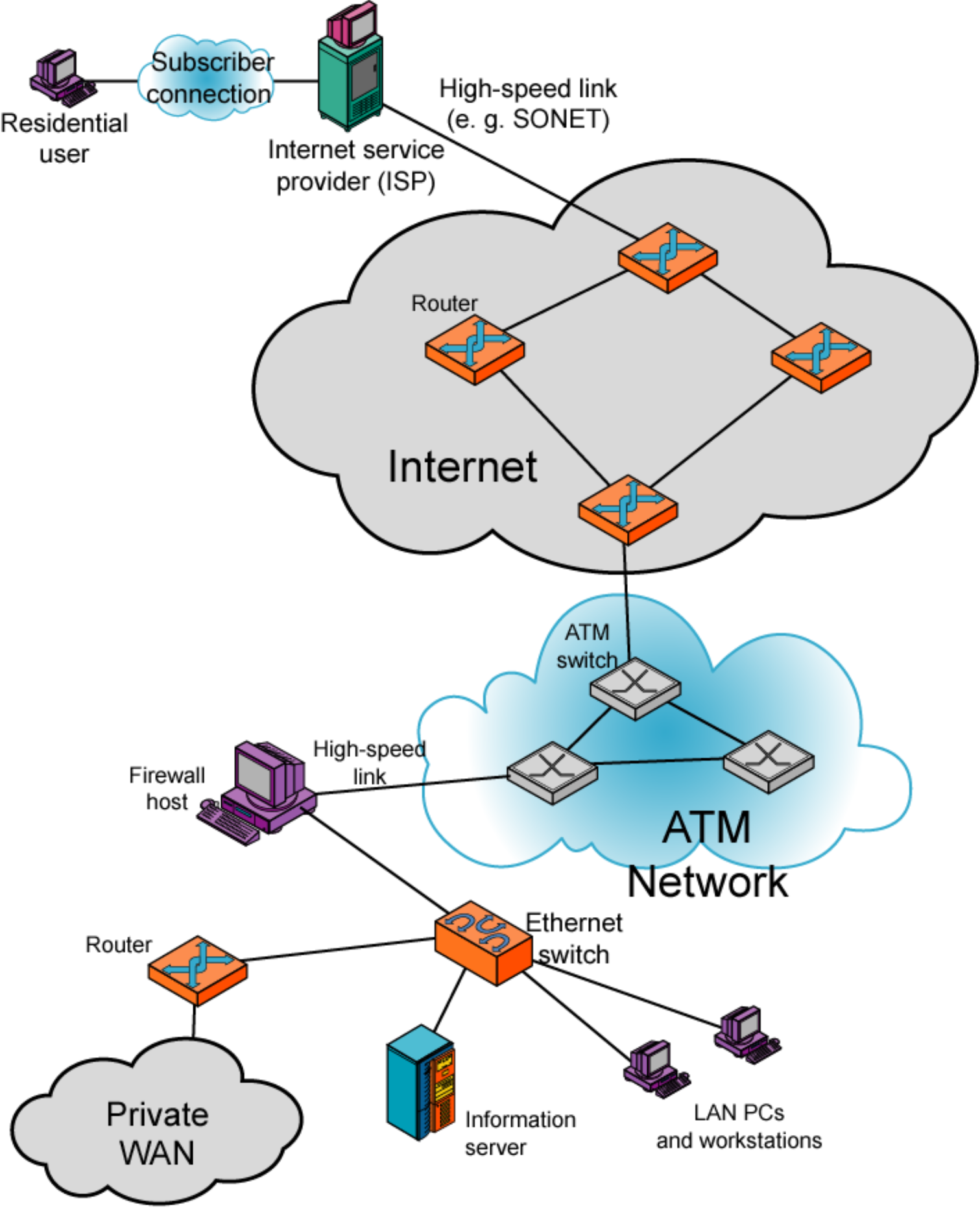
- Access Methods:
- Residential user connections
- High-speed links (e.g., SONET)
- Internet Service Providers (ISPs)
- Network Infrastructure:
- Routers
- ATM networks
- Ethernet switches
- Firewall hosts
- Private WANs
- Information servers
- LAN PCs and workstations
Summary
- Key Topics Covered:
- Data communications needs and model
- Data communications definition and characteristics
- Network overview and types
- Internet introduction and architecture
- Communication technologies and trends